Primary Care Doctor or Liver Specialist? Who Should Manage Your Fatty Liver Diagnosis
A fatty liver diagnosis does not always mean you need to see a liver specialist immediately.
 Written and reviewed by Dr. James Kumar Pallivathukkal, Specialist in Internal Medicine and DiabetesPublished 12 Oct 2026 · Reviewed by Dr. James Kumar Pallivathukkal on 12 October 2026 · 4 min readWhatsApp

Many people with fatty liver can start with a primary care or internal medicine doctor, who can review liver tests, metabolic risks, medicines and alcohol use. A liver specialist (hepatologist or gastroenterologist) becomes important when there are signs of liver scarring, unclear results or more advanced disease. The two doctors often share care.
In this guide
- 1Who Should Manage Fatty Liver Disease?
- 2What Can a Primary Care Doctor Do?
- 3Lifestyle Management Matters
- 4When Is a Liver Specialist Needed?
- 5Fatty Liver Is Not Always the Same Condition
- 6Why Liver Scarring Matters
- 7What If My Liver Enzymes Are Normal?
- 8Primary Care and Liver Specialists Can Work Together
- 9When to See a Doctor
- 10Final Thoughts
Who Should Manage Fatty Liver Disease?
Being told that you have fatty liver disease can raise an immediate question: “Do I need to see a liver specialist?”
Not necessarily.
Many people with fatty liver can begin evaluation and management with a primary care or internal medicine doctor. These doctors can assess common risk factors, review blood tests and imaging, and address related conditions such as obesity, diabetes, high cholesterol, and high blood pressure.
A liver specialist may become important when there are signs of more advanced liver disease, uncertainty about the diagnosis, or a need for more specialised assessment.
What Can a Primary Care Doctor Do?
Primary care is often the starting point after fatty liver is discovered on an ultrasound, blood test, or other evaluation.
Your doctor can review:
-
Liver enzyme results such as ALT and AST
-
Blood glucose and diabetes status
-
Cholesterol and triglyceride levels
-
Body weight and metabolic health
-
Alcohol intake
-
Medications and supplements
-
Medical and family history
They can also help identify factors that may be contributing to liver fat and create a plan focused on improving overall metabolic health.
Lifestyle Management Matters
For many people, managing fatty liver involves addressing the underlying metabolic factors rather than simply treating the liver itself.
Depending on your situation, your doctor may discuss nutrition, physical activity, weight management, diabetes control, and cholesterol or blood-pressure management.
These decisions should be individualized rather than based on a one-size-fits-all diet or supplement.
When Is a Liver Specialist Needed?
A hepatologist is a doctor who specialised in liver diseases. Gastroenterologists also diagnose and manage many liver conditions.
Referral may be appropriate when there are concerns about liver scarring, unexplained or persistent liver abnormalities, more advanced disease, or uncertainty about the diagnosis.
A specialist may recommend additional evaluation to determine whether fatty liver has progressed beyond simple fat accumulation.
Fatty Liver Is Not Always the Same Condition
The term fatty liver can describe a range of situations.
Today, you may hear MASLD, which stands for metabolic dysfunction-associated steatotic liver disease. Some people can develop liver inflammation and progressive scarring, while others have little or no significant liver injury.
The key issue is not simply whether fat is present in the liver. Doctors also need to consider whether there is fibrosis, or liver scarring.
Why Liver Scarring Matters
Advanced fibrosis increases the risk of complications from chronic liver disease.
Your doctor may use blood-test-based calculations, imaging, or other assessments to estimate the likelihood of significant fibrosis. If the results suggest increased risk, specialist evaluation may be appropriate.
What If My Liver Enzymes Are Normal?
Normal liver enzymes do not always mean that the liver is completely healthy.
Some people with fatty liver and clinically important liver disease may not have markedly elevated ALT or AST levels. This is why your overall medical history and assessment matter rather than relying on a single blood test.
If fatty liver has been identified, ask your doctor whether your risk of liver fibrosis needs further evaluation.
Primary Care and Liver Specialists Can Work Together
You do not necessarily have to choose one doctor permanently.
A primary care or internal medicine doctor can continue managing your broader health while a hepatologist or gastroenterologist provides specialist input when needed.
This team-based approach can be particularly useful when fatty liver occurs alongside diabetes, obesity, high cholesterol, or other metabolic conditions.
When to See a Doctor
Book a visit if you have fatty liver, abnormal liver tests, diabetes or obesity. Ask about a specialist referral if tests suggest scarring or your results are not improving. Seek urgent care for yellow skin or eyes, vomiting blood or black stools.
You may also find these guides helpful: NAFLD, MASLD, MASH: Why Fatty Liver Disease Has So Many Names Now, Elevated Liver Enzymes on a Routine Blood Test: What ALT and AST Actually Mean, Can Fatty Liver Disease Be Reversed? A Step-by-Step Guide to Protecting Your Liver.
Final Thoughts
A fatty liver diagnosis does not automatically mean you need a liver specialist. For many people, primary care or internal medicine is an appropriate place to begin evaluation and management. The important question is whether there are signs of liver injury or fibrosis that require more specialised assessment. Your doctor can review your risk factors and test results and determine whether monitoring, lifestyle-focused management, further testing, or referral to a liver specialist is appropriate.
This article is for general information and does not replace personal medical advice.
Kidney, liver and gut in Muscat: when to see an internist
Dr. James sees adults with fatty liver at Badr Al Samaa Royal Hospital, Al Ghubrah, by appointment.

Key takeaways
- Many people with fatty liver can begin care with a primary care or internal medicine doctor.
- Management often includes addressing metabolic risk factors such as diabetes, weight, cholesterol, and blood pressure.
- A hepatologist or gastroenterologist may be needed when there are concerns about liver fibrosis, advanced disease, or an uncertain diagnosis.
- Normal liver enzymes do not always rule out significant liver disease.
- Assessing liver fibrosis is an important part of understanding long-term risk.
- Primary care and liver specialists can work together when specialist care is needed.
Common questions
Can a primary care doctor treat fatty liver?
Yes. Primary care or internal medicine doctors can evaluate many cases of fatty liver and manage associated conditions such as diabetes, high cholesterol, high blood pressure, and weight-related metabolic risk.
When should I see a hepatologist for fatty liver?
A hepatology referral may be appropriate when there is concern about significant liver fibrosis, advanced liver disease, persistent unexplained liver abnormalities, or uncertainty about the diagnosis.
Is a gastroenterologist the same as a liver specialist?
Not exactly. Gastroenterologists treat digestive-system conditions and also manage many liver diseases. A hepatologist has specific expertise focused on liver conditions.
What is the difference between a hepatologist and a gastroenterologist?
A hepatologist focuses on liver disease. A gastroenterologist treats the whole digestive system and often manages liver conditions as well.
Can fatty liver exist with normal liver enzymes?
Yes. Liver enzymes can be normal even when fat or scarring is present, so doctors consider the whole picture, not one blood test.
Sources
- NHS: Non-alcoholic fatty liver disease · nhs.uk
- NIDDK: NAFLD and NASH · niddk.nih.gov
This guide is for general information and does not replace a consultation. Editorial and medical review policy

More in this guide series
 Fatty Liver Disease: Causes, Symptoms & How to Reverse It
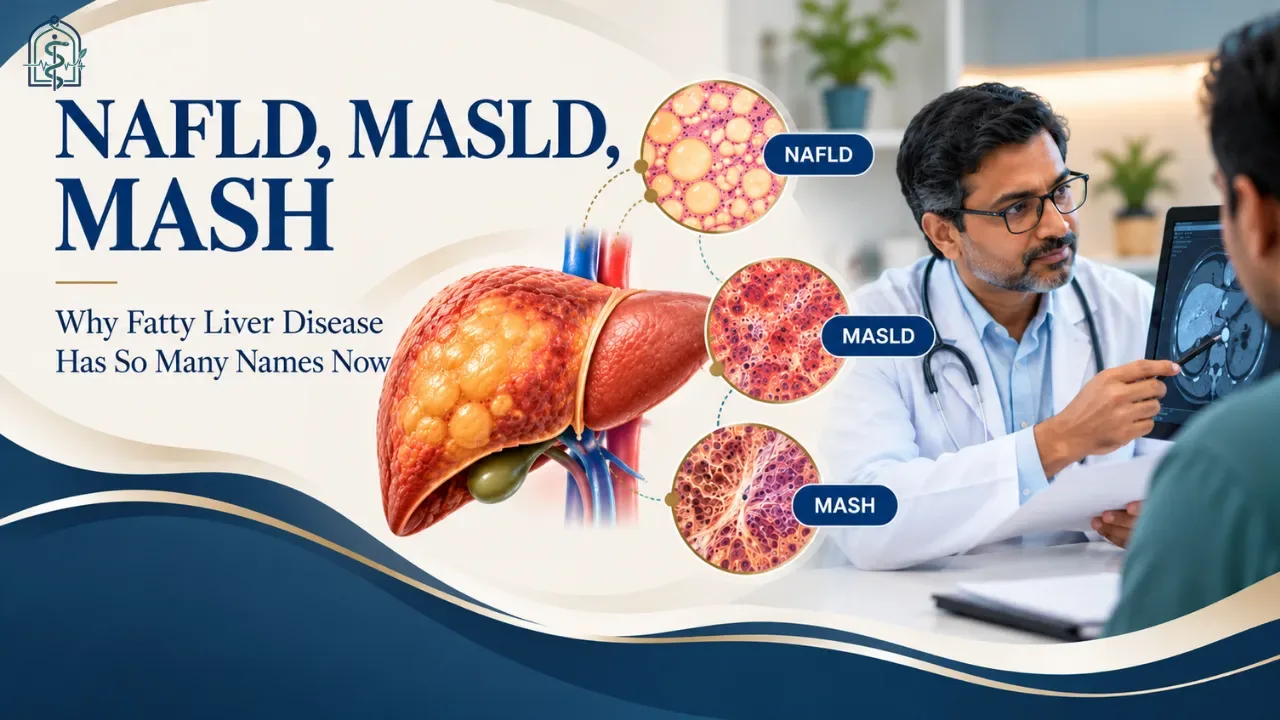 NAFLD, MASLD, MASH: Why Fatty Liver Disease Has So Many Names Now
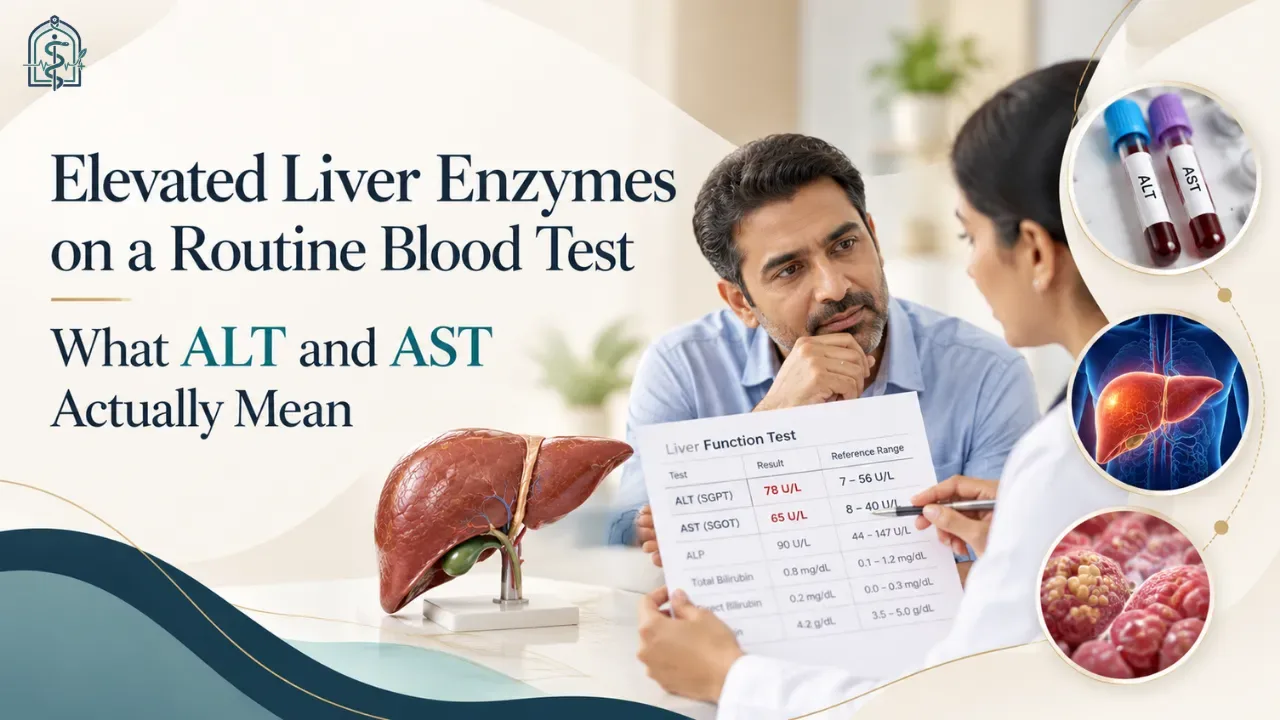 Elevated Liver Enzymes on a Routine Blood Test: What ALT and AST Actually Mean
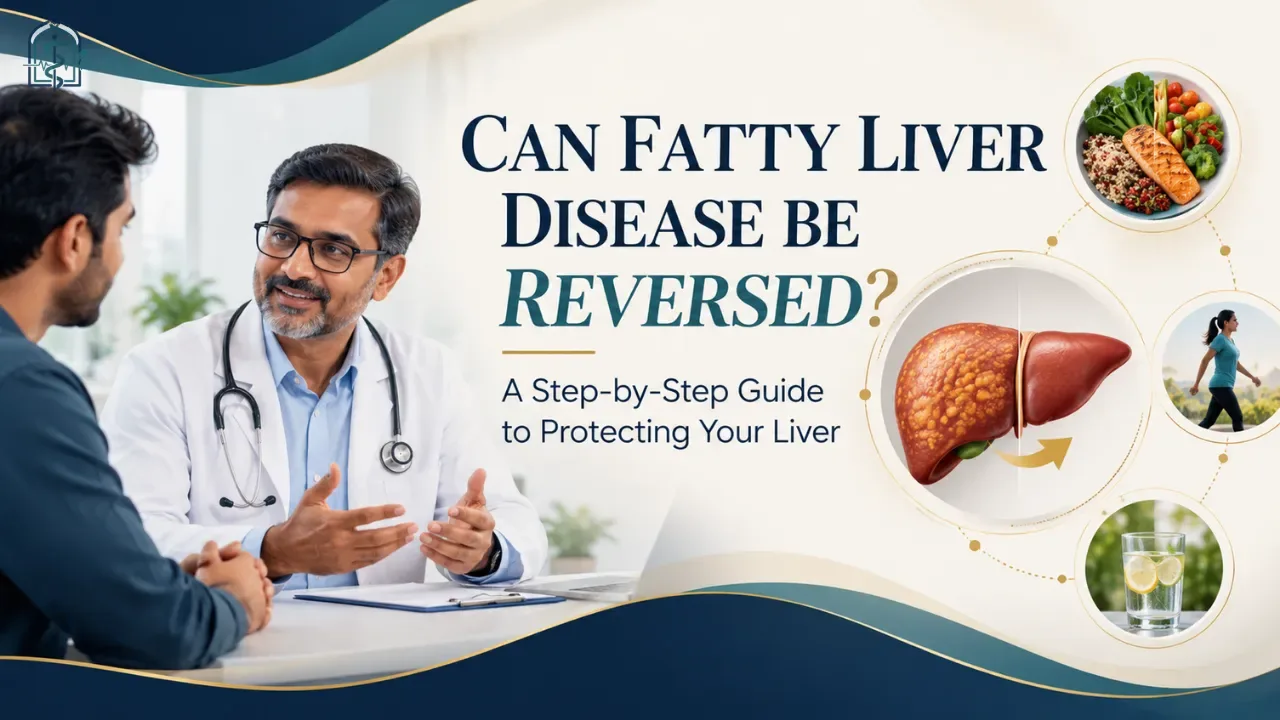 Can Fatty Liver Disease Be Reversed? A Step-by-Step Guide to Protecting Your Liver
 New Medication Options for Advanced Fatty Liver Disease: What Patients Should Know