Fatty Liver Disease: Causes, Symptoms & How to Reverse It
Fatty liver disease means that excess fat has built up inside the liver. Many people have no obvious symptoms when it first develops, which is why it is often discovered during a routine blood test or an abdominal ultrasound.
 Written and reviewed by Dr. James Kumar Pallivathukkal, Specialist in Internal Medicine and DiabetesPublished 10 Oct 2026 · Reviewed by Dr. James Kumar Pallivathukkal on 10 October 2026 · 17 min readWhatsApp
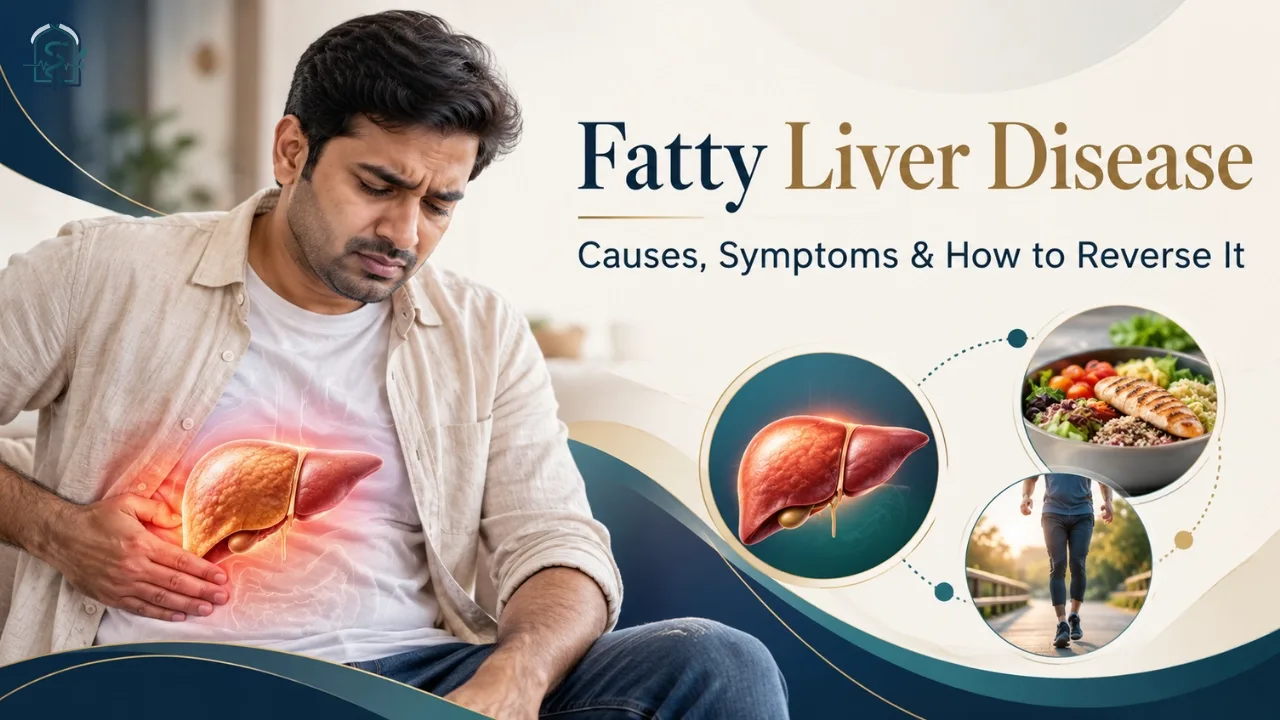
Can fatty liver disease be reversed? In many people, the amount of fat stored in the liver can be reduced and liver health can improve. This is particularly true when fatty liver is linked to excess weight, insulin resistance, type 2 diabetes, high triglycerides or other metabolic problems.
In this guide
- 1What is fatty liver disease?
- 2Why does fatty liver disease have so many names?
- 3What causes fatty liver disease?
- 4How is insulin resistance connected to fatty liver?
- 5Can you have fatty liver if you are not overweight?
- 6What are the symptoms of fatty liver disease?
- 7Can fatty liver make you tired?
- 8Is fatty liver disease serious?
- 9How is fatty liver disease diagnosed?
- 10What do ALT and AST mean?
- 11What does an ultrasound show?
- 12What is a FIB-4 score?
- 13What is a FibroScan?
- 14Is a liver biopsy necessary?
- 15What does "fatty liver" on an ultrasound actually mean?
- 16Can fatty liver disease be reversed?
- 17How much weight loss can improve fatty liver?
- 18What should you eat if you have fatty liver?
- 19Do you need to stop eating rice if you have fatty liver?
- 20Does exercise help fatty liver?
- 21Does alcohol matter if you have fatty liver?
- 22Can diabetes cause fatty liver?
- 23What medicines are used to treat fatty liver disease?
- 24Can diabetes and weight-loss medicines help fatty liver?
- 25What happens if fatty liver is left untreated?
- 26When should you see a doctor about fatty liver?
- 27What are the warning signs of advanced liver disease?
- 28Can fatty liver be prevented?
- 29Myth vs Fact
- 30Final Thoughts
- 31Which guides go deeper on this topic?
Improving diet, becoming more physically active, losing weight gradually when appropriate, and treating conditions such as diabetes and high blood pressure can all form part of treatment. However, there is no single approach that works for everyone. If significant fibrosis or cirrhosis has already developed, the situation is different and closer medical follow-up may be required. The first question, therefore, is not simply "How much fat is in my liver?" It is also "Is there any liver inflammation or scarring?"
Fatty liver disease means that excess fat has built up inside the liver. Many people have no obvious symptoms when it first develops, which is why it is often discovered during a routine blood test or an abdominal ultrasound.
The encouraging part is that liver fat can often be reduced when the factors driving it are addressed. But there is an important distinction between having fat in the liver and having liver damage. Some people have relatively little liver injury, while others develop inflammation and fibrosis, or scarring.
You may also come across several different names for the condition online. NAFLD and NASH are older terms that have increasingly been replaced by MASLD and MASH. Understanding the terminology is useful, but what matters most is finding out why the liver is affected and whether there is any significant fibrosis.
What is fatty liver disease?
The liver normally contains a small amount of fat. Fatty liver disease occurs when fat accumulates in the liver to an abnormal degree.
One of the most common forms is now called metabolic dysfunction-associated steatotic liver disease, or MASLD.
The term reflects the strong relationship between fatty liver and metabolic health. People with MASLD may also have conditions such as:
-
Overweight or obesity
-
Type 2 diabetes
-
Insulin resistance
-
High blood pressure
-
High triglycerides
-
Abnormal cholesterol levels
-
Metabolic syndrome
Fatty liver can exist at different stages.
What is simple fatty liver?
This describes fat accumulation without the degree of liver inflammation and injury seen in MASH.
It does not mean that the finding should simply be ignored. Metabolic risk factors still need attention, and some people can progress over time.
What is MASH?
MASH stands for metabolic dysfunction-associated steatohepatitis.
It is the newer name for what was previously called NASH.
MASH occurs when liver fat is accompanied by inflammation and liver-cell injury. Persistent inflammation can eventually contribute to fibrosis.
What is liver fibrosis?
Fibrosis is scar tissue that develops in the liver following ongoing injury.
A small amount of fibrosis is very different from advanced fibrosis. As fibrosis becomes more extensive, the risk of serious liver complications increases.
What is cirrhosis?
Cirrhosis is advanced scarring of the liver. Extensive scarring can interfere with the liver's normal function and may eventually cause complications.
Having fatty liver does not automatically mean that a person has cirrhosis. One of the important goals of medical assessment is to determine where an individual sits on this spectrum.
Why does fatty liver disease have so many names?
The terminology surrounding fatty liver has changed, which explains why patients often find conflicting information online.
The older term NAFLD, or non-alcoholic fatty liver disease, was widely used for many years. The inflammatory form was called NASH, or non-alcoholic steatohepatitis.
An international group of liver organisations recommended updated terminology in 2023. MASLD replaced NAFLD in patients with metabolic dysfunction, while MASH replaced NASH.
You may therefore see all of these terms:
-
Fatty liver disease
-
NAFLD
-
NASH
-
MASLD
-
MASH
-
Metabolic fatty liver disease
If an older ultrasound or medical report says "fatty liver" or "NAFLD," it does not necessarily mean the information is wrong. Medical terminology has evolved.
What causes fatty liver disease?
Fatty liver is closely linked with metabolic health.
The condition is more common in people who have insulin resistance, type 2 diabetes, excess body weight or other cardiometabolic risk factors. Genetics, diet, physical activity and other factors can also influence an individual's risk.
Common risk factors include:
-
Overweight or obesity
-
Insulin resistance
-
Type 2 diabetes
-
Prediabetes
-
High triglycerides
-
Abnormal cholesterol
-
High blood pressure
-
Metabolic syndrome
-
Low physical activity
-
Genetic susceptibility
Usually, there is not one single cause.
A person may have several of these factors at the same time, and together they can create an environment in which excess fat accumulates in the liver.
How is insulin resistance connected to fatty liver?
Insulin is a hormone that helps the body control blood glucose and manage energy storage.
With insulin resistance, the body's tissues respond less effectively to insulin. The pancreas may initially compensate by producing more insulin, but over time blood glucose regulation can become impaired.
Insulin resistance is also strongly associated with fat accumulation in the liver.
That is why fatty liver is frequently seen alongside:
-
Prediabetes
-
Type 2 diabetes
-
Abdominal obesity
-
High triglycerides
-
High blood pressure
For this reason, treating fatty liver often means looking beyond the liver itself.
Can you have fatty liver if you are not overweight?
Yes.
Being overweight or obese increases the risk, but it is not a requirement for developing fatty liver.
Some people who appear to have a normal body weight can still have insulin resistance, metabolic abnormalities, genetic susceptibility or other factors associated with fatty liver.
So if an ultrasound shows fatty liver, it should not automatically be dismissed because your weight is within the usual range.
The finding still deserves appropriate medical assessment.
What are the symptoms of fatty liver disease?
Most people with fatty liver have no specific symptoms, particularly in the early stages.
Some people report:
-
Tiredness or reduced energy
-
A vague discomfort in the upper-right abdomen
-
A feeling of fullness or discomfort around the liver area
These symptoms are not unique to fatty liver. Fatigue, for example, can have many causes, including poor sleep, anaemia, thyroid disease, diabetes, infections and medication effects.
That is why symptoms alone cannot diagnose fatty liver or tell you how advanced it is.
Can fatty liver make you tired?
It can be associated with fatigue, but tiredness by itself does not point specifically to fatty liver.
If someone has persistent fatigue, it is worth looking at the wider picture rather than assuming the liver is responsible.
Depending on the circumstances, a doctor may consider blood glucose, thyroid function, blood counts, sleep quality, medications and other possible causes.
If liver tests are abnormal or an ultrasound has already shown fatty liver, the liver findings can then be considered alongside the rest of the assessment.
Is fatty liver disease serious?
It can be, but the severity varies considerably from one person to another.
Some people have liver fat without significant liver injury. Others develop inflammation and fibrosis. A smaller proportion progress to advanced fibrosis, cirrhosis and related complications.
The amount of fat seen on a scan does not necessarily tell you how much scarring is present.
This distinction is important.
A person with a large amount of visible liver fat does not automatically have advanced liver disease, while someone with less obvious fat can still have clinically important fibrosis.
For this reason, doctors pay particular attention to fibrosis risk.
How is fatty liver disease diagnosed?
There is no single test that answers every question.
Doctors usually combine your medical history, physical examination, blood tests and imaging.
The assessment may consider:
-
Liver enzymes
-
Blood glucose and HbA1c
-
Cholesterol and triglycerides
-
Platelet count
-
Weight and waist circumference
-
Blood pressure
-
Alcohol intake
-
Medications
-
Other possible causes of liver disease
-
Risk of liver fibrosis
The aim is to establish not only whether liver fat is present, but whether there are signs of liver injury or scarring.
What do ALT and AST mean?
ALT and AST are enzymes that are commonly measured in blood tests.
When liver cells are injured, these enzymes can rise in the bloodstream. They can therefore provide useful information when assessing someone with possible liver disease.
But they have limitations.
A normal ALT or AST does not necessarily mean that there is no significant liver disease. Likewise, an elevated result does not automatically mean that fatty liver is the cause.
The results need to be interpreted alongside the patient's medical history and other investigations.
What does an ultrasound show?
An abdominal ultrasound can identify changes consistent with excess fat in the liver.
It is commonly used because it is non-invasive and widely available.
But an ultrasound has an important limitation: it cannot tell the complete story about inflammation or fibrosis.
So a report saying "fatty liver" does not automatically mean that you have MASH, advanced fibrosis or cirrhosis.
Further assessment may be appropriate depending on your risk factors and blood-test results.
What is a FIB-4 score?
FIB-4 is a non-invasive fibrosis risk assessment.
It uses information such as:
-
Age
-
AST
-
ALT
-
Platelet count
The result can help doctors estimate the likelihood of advanced liver fibrosis.
It is not a diagnosis on its own. A result that suggests greater risk may lead to additional assessment, such as elastography or specialist review.
The interpretation can also vary according to age and clinical circumstances, so an online calculator should not be used as a substitute for medical assessment.
What is a FibroScan?
A FibroScan, or transient elastography, is a non-invasive test that can help assess liver stiffness.
Liver stiffness can provide useful information about the possibility of fibrosis. Depending on the technology being used, the examination can also provide information related to liver fat.
Not everyone with fatty liver needs a FibroScan.
A doctor may recommend it when the person's history, blood tests or fibrosis risk suggest that a closer assessment would be useful.
Is a liver biopsy necessary?
Usually, not for everyone.
A liver biopsy involves removing a small sample of liver tissue for examination. Because it is invasive, doctors generally do not perform it simply because an ultrasound has shown fatty liver.
Non-invasive blood tests and imaging can provide substantial information in many patients.
A biopsy may still have a role when the diagnosis remains uncertain or when more detailed information about inflammation or fibrosis is needed.
What does "fatty liver" on an ultrasound actually mean?
If your ultrasound report says "fatty liver," it means the scan has identified features suggesting excess fat in the liver.
It does not tell you, by itself:
-
Why you developed fatty liver
-
Whether inflammation is present
-
Whether significant fibrosis is present
-
Whether you have MASH
-
Whether the condition will progress
This is why the next step should not simply be to search for a "fatty liver cure."
The useful next step is to understand your individual risk profile and determine whether additional assessment is needed.
Can fatty liver disease be reversed?
In many people, liver fat can be reduced and liver health can improve.
This is particularly true when the metabolic factors driving the condition are addressed.
For someone who is overweight or obese, gradual weight loss can reduce liver fat and may also improve liver inflammation and fibrosis. Physical activity can help even when there is little change in body weight.
The word gradual matters.
Extreme diets, prolonged fasting or rapid weight-loss programmes are not appropriate for everyone and can create other health problems.
A sustainable plan is usually more useful than a short-lived attempt to lose weight quickly.
How much weight loss can improve fatty liver?
There is no single weight-loss target that applies to every patient.
According to NIDDK, losing around 3% to 5% of body weight can reduce liver fat, while a greater degree of weight loss may be required to improve inflammation and fibrosis.
The appropriate target depends on your starting weight and overall health.
For someone with diabetes, kidney disease, cardiovascular disease, an eating disorder or another chronic condition, weight management may need to be approached differently.
The objective is not simply to reach a particular number on the weighing scale. Improving metabolic health is the larger goal.
What should you eat if you have fatty liver?
There is no single food that melts away liver fat, and there is no universal "fatty liver diet."
A sensible approach is to build meals around minimally processed foods and reasonable portions.
This can include:
-
Vegetables
-
Whole grains
-
Pulses and legumes
-
Fruits in appropriate portions
-
Nuts and seeds
-
Fish
-
Lean protein sources
-
Healthier unsaturated fats
Frequent consumption of sugar-sweetened drinks and foods high in added sugars is worth reducing.
NIDDK also recommends limiting foods and drinks high in simple sugars, including fructose-containing sweetened beverages, and replacing saturated and trans fats with healthier unsaturated fats.
Your diet should also reflect your other health conditions.
Someone with diabetes may need a different carbohydrate strategy from someone without diabetes. Someone with high triglycerides may have additional dietary considerations.
Do you need to stop eating rice if you have fatty liver?
Not necessarily.
Rice does not have to be completely removed from the diet simply because fatty liver has been diagnosed.
The bigger questions are how much you eat, how often you eat it, what type of rice you choose, and what the rest of the meal looks like.
A large portion of refined carbohydrates combined with calorie-dense foods may make weight and glucose management more difficult.
For many patients, portion control and the overall quality of the meal are more practical than banning one particular food.
Does exercise help fatty liver?
Yes.
Regular physical activity can help reduce liver fat and improve overall metabolic health.
One useful point is often overlooked: exercise can benefit the liver even when the weighing scale does not change dramatically.
Depending on your health and fitness level, physical activity can include:
-
Walking
-
Cycling
-
Swimming
-
Other aerobic activities
-
Resistance training
-
Increasing everyday movement
You do not necessarily need an intense gym programme.
The most useful exercise is often the type that you can perform safely and continue over the long term.
If you have significant heart disease, severe breathlessness or another medical condition that limits exercise, discuss your plans with your doctor before substantially increasing your activity.
Does alcohol matter if you have fatty liver?
Yes.
Alcohol intake is relevant when a doctor is assessing fatty liver because alcohol itself can contribute to liver injury.
The newer classification system also considers alcohol exposure when distinguishing MASLD from other forms of steatotic liver disease. People with metabolic risk factors and higher alcohol intake may fall into a category known as MetALD.
If you have been diagnosed with fatty liver, particularly if your liver enzymes are abnormal or fibrosis is suspected, discuss your alcohol intake openly with your doctor.
That information helps your doctor understand the overall picture and give you appropriate advice.
Can diabetes cause fatty liver?
Diabetes and fatty liver are closely connected.
Insulin resistance and type 2 diabetes increase the risk of developing MASLD. At the same time, fatty liver can occur as part of the same metabolic problems that contribute to abnormal blood glucose, high triglycerides and cardiovascular risk.
This means that treating the liver in isolation may not be enough.
For a patient who has fatty liver and diabetes, managing blood glucose, weight, blood pressure and cholesterol may be just as important as monitoring the liver itself.
What medicines are used to treat fatty liver disease?
Treatment depends on the type and stage of fatty liver disease.
For many patients, the foundation remains lifestyle and management of associated metabolic conditions.
However, medications have become an increasingly important part of care for selected patients with more advanced MASH.
For example, the US FDA approved resmetirom in 2024 for certain adults with non-cirrhotic MASH and moderate-to-advanced liver fibrosis, alongside diet and exercise.
The FDA subsequently approved semaglutide in 2025 for adults with MASH and moderate-to-advanced fibrosis.
These developments are important, but they should not be interpreted as meaning that everyone with fatty liver needs medication.
Whether a particular medicine is appropriate depends on the diagnosis, degree of fibrosis, other medical conditions, potential adverse effects and local availability or regulatory approval.
Do not start, stop or change prescription medication based on information from an online article.
Can diabetes and weight-loss medicines help fatty liver?
Some medicines used to treat type 2 diabetes or obesity may also have beneficial effects on metabolic health and liver fat, particularly when they help improve glucose control or achieve meaningful weight loss.
But medication choice should be individualised.
A person's kidney function, cardiovascular history, gastrointestinal health, other medicines and other clinical factors may affect which treatment is suitable.
This is one reason fatty liver is best managed as part of the person's overall metabolic health rather than as a completely separate problem.
What happens if fatty liver is left untreated?
The answer depends on the stage of disease.
Some people remain relatively stable, particularly when metabolic risk factors are addressed. Others develop ongoing inflammation and fibrosis.
Advanced fibrosis can eventually progress to cirrhosis.
Possible complications of advanced chronic liver disease include:
-
Cirrhosis
-
Liver failure
-
Portal hypertension
-
Liver cancer
-
Other complications of chronic liver disease
People with metabolic fatty liver disease may also have an increased risk of cardiovascular and metabolic problems.
That is why discovering fatty liver can be an opportunity to review overall health rather than simply focusing on the liver scan.
When should you see a doctor about fatty liver?
Consider arranging a medical assessment if:
-
An ultrasound has shown fatty liver.
-
Your ALT or AST is repeatedly abnormal.
-
You have type 2 diabetes or prediabetes.
-
You have obesity or significant abdominal weight gain.
-
Your triglycerides or cholesterol are abnormal.
-
You have several metabolic risk factors.
-
You have persistent unexplained fatigue.
-
You have recurring discomfort in the upper-right abdomen.
-
You have been told that you may have liver fibrosis.
-
You are unsure what an abnormal liver test means.
An Internal Medicine physician can assess the broader metabolic picture and determine whether additional liver testing or specialist referral is appropriate.
What are the warning signs of advanced liver disease?
Early fatty liver often produces no clear symptoms.
Symptoms that develop with advanced liver disease should not be ignored. These may include:
-
Yellowing of the skin or whites of the eyes
-
Increasing abdominal swelling
-
Vomiting blood
-
Black, tar-like stools
-
Significant confusion
-
Marked changes in alertness
-
Severe weakness
-
Unexplained substantial weight loss
These symptoms can have different causes, but some require urgent medical assessment.
Can fatty liver be prevented?
There is no guaranteed way to prevent every case, particularly when genetic and other factors are involved.
However, maintaining good metabolic health can reduce risk.
Useful habits include:
-
Staying physically active
-
Maintaining a healthy weight where appropriate
-
Eating a balanced diet
-
Limiting sugar-sweetened drinks
-
Avoiding excessive alcohol
-
Managing blood glucose
-
Controlling blood pressure
-
Managing cholesterol and triglycerides
-
Taking prescribed medicines appropriately
-
Attending recommended health checks
People with diabetes, obesity, metabolic syndrome or a family history of metabolic disease may benefit from discussing their individual risk with a doctor.
Myth vs Fact
Myth: Fatty liver only affects people who drink alcohol.
Fact: Metabolic fatty liver disease is strongly associated with insulin resistance, obesity, type 2 diabetes and other metabolic risk factors. Alcohol is another potential cause of liver fat and injury, and some people can have overlapping risk factors.
Myth: Normal liver enzymes mean there is nothing wrong with the liver.
Fact: Liver enzymes are useful but cannot tell the whole story. Some people with clinically important fibrosis can have relatively unremarkable enzyme levels. Other tests may be needed to assess fibrosis risk.
Myth: Fatty liver always turns into cirrhosis.
Fact: It does not. Many people do not develop advanced liver disease. The risk varies, and fibrosis is one of the most important factors doctors consider when assessing long-term risk.
Myth: Losing weight is the only thing that matters.
Fact: Weight management can be important when excess weight contributes to fatty liver, but treatment also involves physical activity, nutrition, blood glucose, blood pressure, cholesterol and assessment of liver fibrosis.
Myth: A liver detox can remove fatty liver.
Fact: Commercial "detox" products are not a proven treatment for MASLD. Some supplements and herbal products can actually cause liver injury. Discuss supplements with your doctor before taking them.
Final Thoughts
Which guides go deeper on this topic?
-
NAFLD, MASLD, MASH: Why Fatty Liver Disease Has So Many Names Now
-
Elevated Liver Enzymes on a Routine Blood Test: What ALT and AST Actually Mean
-
Can Fatty Liver Disease Be Reversed? A Step-by-Step Guide to Protecting Your Liver
-
New Medication Options for Advanced Fatty Liver Disease: What Patients Should Know
-
Primary Care Doctor or Liver Specialist? Who Should Manage Your Fatty Liver Diagnosis
Being told that you have fatty liver can be unsettling, particularly when the finding appears unexpectedly on an ultrasound report.
But the finding is also useful information.
It can prompt a closer look at blood glucose, weight, cholesterol, blood pressure and other aspects of metabolic health. In many people, addressing these factors can reduce liver fat and improve the overall health picture.
What matters is understanding where you are on the spectrum of disease.
A scan may tell you that fat is present. It does not necessarily tell you whether inflammation or significant fibrosis is present. That is where blood tests, fibrosis assessment and medical evaluation become important.
For someone in Muscat or elsewhere in Oman, an Internal Medicine consultation can be a sensible starting point when fatty liver occurs alongside diabetes, obesity, high blood pressure, abnormal cholesterol or other chronic conditions.
There is no need to panic over the word "fatty." But there is also little benefit in ignoring the finding.
The right approach is to understand the cause, assess the liver properly and work on the metabolic factors that can be changed.
Kidney, liver and gut in Muscat: when to see an internist
Dr. James sees adults with fatty liver at Badr Al Samaa Royal Hospital, Al Ghubrah, by appointment.

Questions to ask at your visit
- Is this likely to be MASLD?
- Could anything else be causing the liver changes?
- What do my ALT and AST results mean?
- Do I have risk factors for liver fibrosis?
- Should my FIB-4 score be calculated?
- Do I need a FibroScan?
- Should I see a liver specialist?
- Should my HbA1c and blood glucose be checked?
Key takeaways
- Fatty liver means that excess fat has accumulated in the liver.
- MASLD is the newer term for metabolic forms of fatty liver disease previously called NAFLD.
- Many people have no obvious symptoms.
- Type 2 diabetes, insulin resistance, excess weight, high triglycerides and other metabolic factors can increase risk.
- Fatty liver does not automatically mean cirrhosis.
- Liver fibrosis is an important factor when assessing long-term risk.
- Blood tests and imaging can help doctors assess fatty liver and determine whether additional testing is needed.
Common questions
Can fatty liver disease be reversed?
Fatty liver can often be improved, especially when it is identified before advanced fibrosis develops. For people with excess weight, gradual weight loss can reduce liver fat and may improve inflammation and fibrosis. Physical activity and management of diabetes, blood pressure and cholesterol are also important. The potential for improvement depends on the cause and stage of liver disease.
What are the symptoms of fatty liver disease?
Most people with fatty liver have no obvious symptoms, particularly during the earlier stages. Some people experience fatigue or vague discomfort in the upper-right abdomen, but these symptoms can have many other causes. A person's symptoms cannot reliably determine whether fatty liver is present or how advanced it is.
Is MASLD the same as NAFLD?
MASLD is the newer terminology that replaced NAFLD in the updated international classification. The newer term describes steatotic liver disease associated with metabolic dysfunction. MASH is the newer term for what was previously called NASH. Older medical reports may still use NAFLD or NASH.
What is the best treatment for fatty liver?
Treatment depends on the underlying cause and the stage of disease. For many people, improving diet, increasing physical activity, managing weight and treating conditions such as diabetes and high cholesterol are central to treatment. Selected patients with more advanced MASH and fibrosis may also be considered for specific medications.
Can diabetes cause fatty liver?
Yes. Type 2 diabetes and insulin resistance are important risk factors for metabolic fatty liver disease. Diabetes and fatty liver often occur together because they share several underlying metabolic mechanisms. Managing blood glucose, weight, cholesterol and blood pressure can therefore be an important part of managing both conditions.
Does fatty liver always lead to cirrhosis?
No. Fatty liver does not automatically progress to cirrhosis. Some people remain stable, while others develop inflammation and fibrosis over time. The presence and severity of fibrosis are particularly important when estimating the risk of advanced liver disease. This is why doctors may recommend non-invasive fibrosis assessment.
Sources
- NHS: Non-alcoholic fatty liver disease · nhs.uk
- NIDDK: NAFLD and NASH · niddk.nih.gov
This guide is for general information and does not replace a consultation. Editorial and medical review policy

Related areas of expertise

More in this guide series
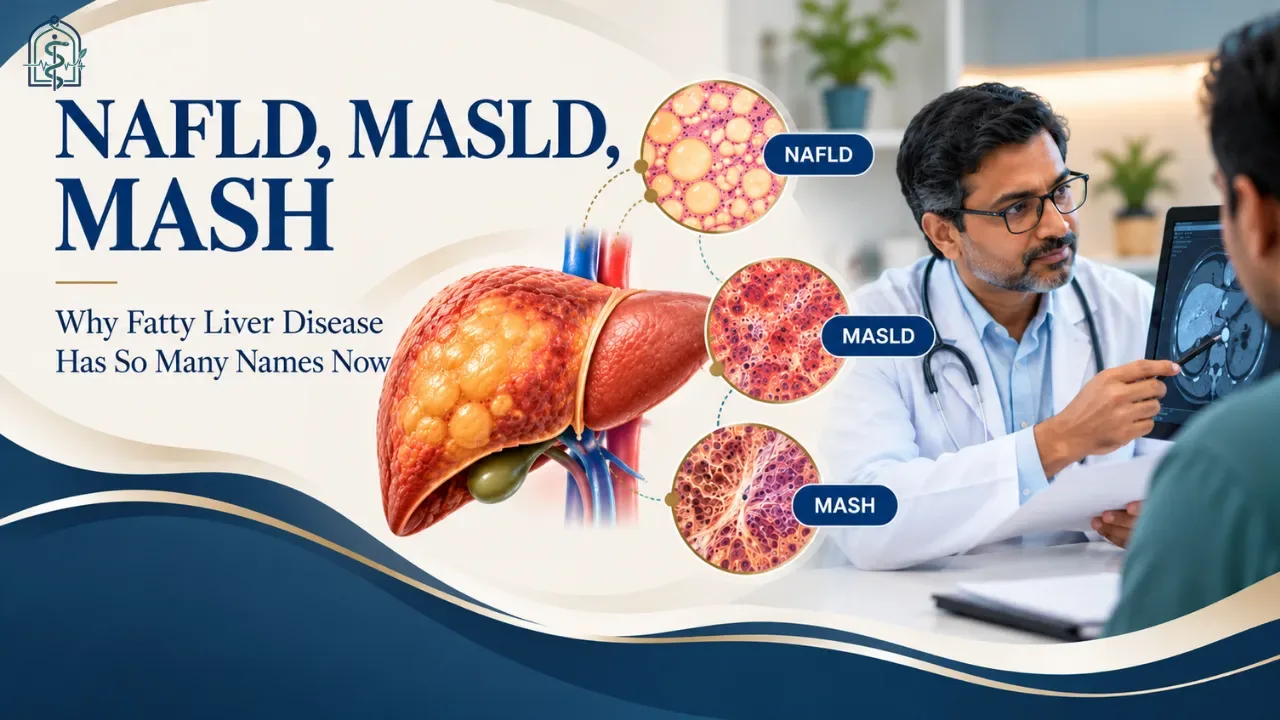 NAFLD, MASLD, MASH: Why Fatty Liver Disease Has So Many Names Now
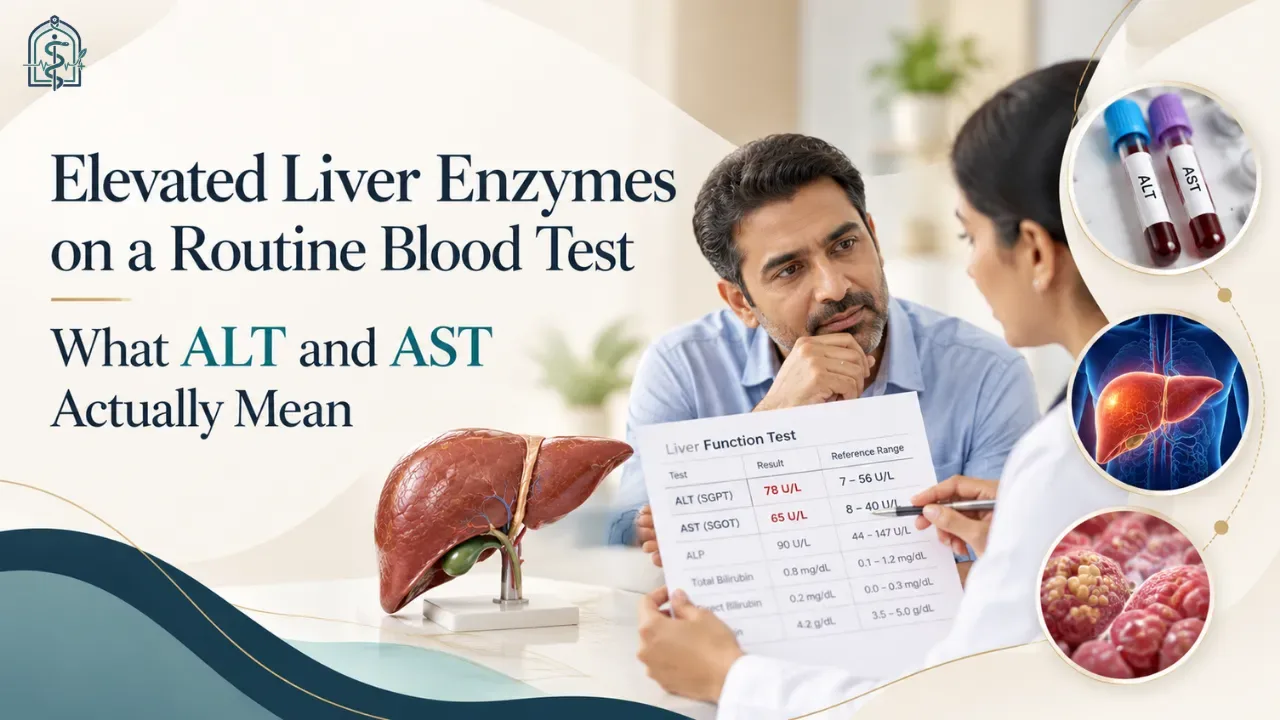 Elevated Liver Enzymes on a Routine Blood Test: What ALT and AST Actually Mean
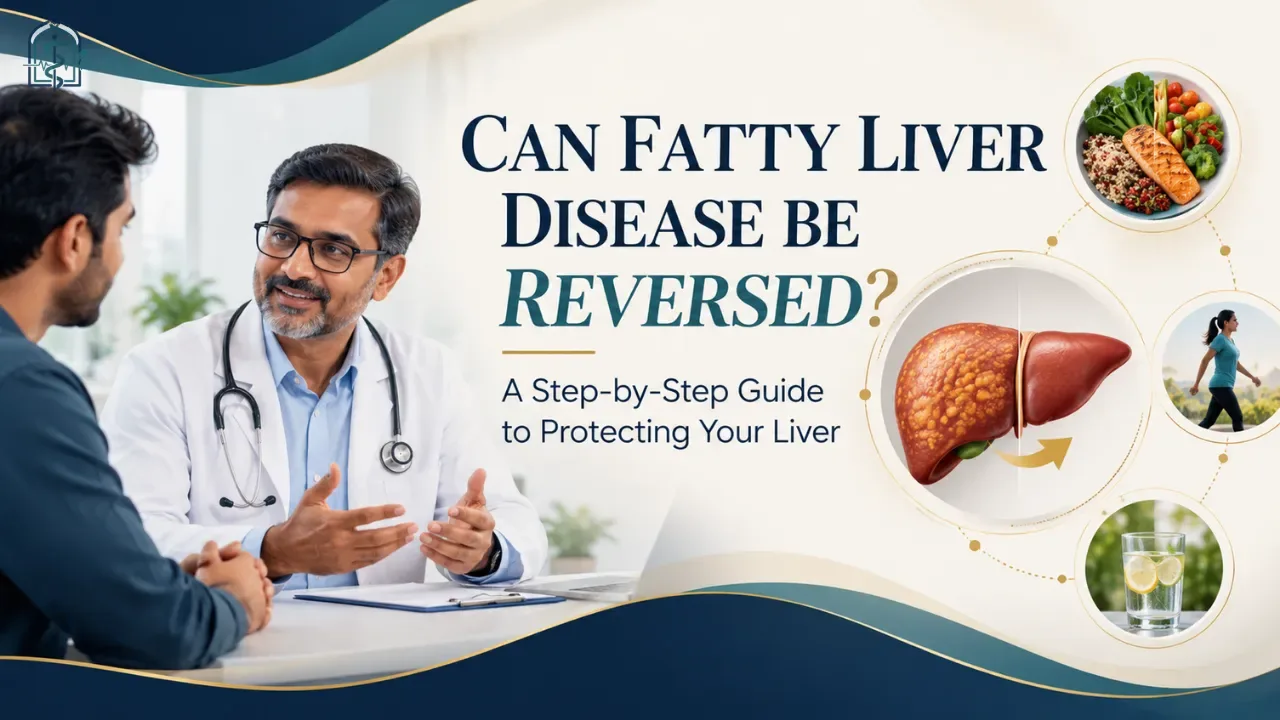 Can Fatty Liver Disease Be Reversed? A Step-by-Step Guide to Protecting Your Liver
 New Medication Options for Advanced Fatty Liver Disease: What Patients Should Know
 Primary Care Doctor or Liver Specialist? Who Should Manage Your Fatty Liver Diagnosis