Can Fatty Liver Disease Be Reversed? A Step-by-Step Guide to Protecting Your Liver
Fatty liver disease can often improve when the underlying causes and metabolic risk factors are addressed.
 Written and reviewed by Dr. James Kumar Pallivathukkal, Specialist in Internal Medicine and DiabetesPublished 11 Oct 2026 · Reviewed by Dr. James Kumar Pallivathukkal on 11 October 2026 · 4 min readWhatsApp
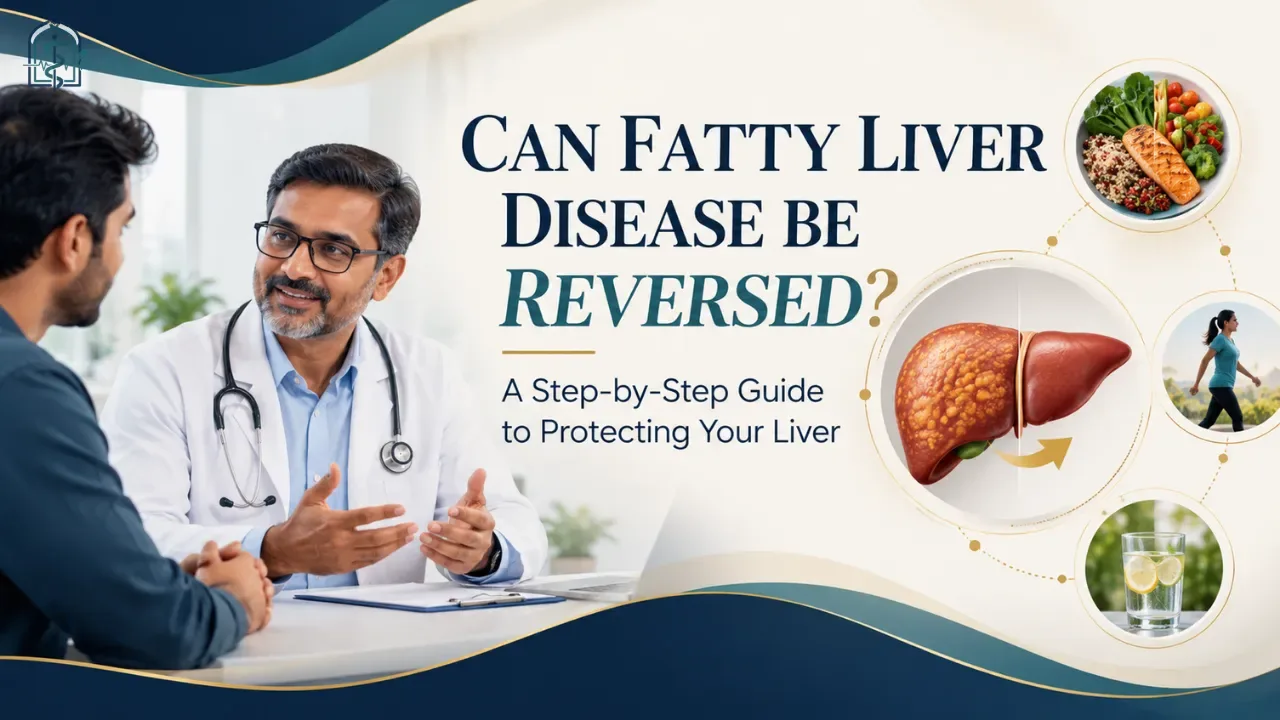
Fatty liver can often improve when its causes are addressed. Steady weight loss, a healthier everyday diet, regular physical activity, and good control of diabetes, cholesterol and blood pressure all help. Limit alcohol and be careful with supplements. Progress depends on how much liver injury is present, so regular follow-up with your doctor matters.
In this guide
- 1Can Fatty Liver Disease Be Reversed?
- 2Step 1: Understand Your Liver Health
- 3Step 2: Work Toward a Healthy Weight
- 4Step 3: Improve Your Everyday Diet
- 5Step 4: Stay Physically Active
- 6Step 5: Control Diabetes, Cholesterol, and Blood Pressure
- 7Be Careful With Supplements
- 8Step 6: Avoid Excess Alcohol
- 9When to See a Doctor
- 10Final Thoughts
Can Fatty Liver Disease Be Reversed?
In many people, fatty liver disease can improve when the factors contributing to excess liver fat are addressed. The extent of improvement depends on the underlying cause and whether liver inflammation or scarring is already present.
Today, fatty liver associated with metabolic dysfunction is commonly called MASLD (metabolic dysfunction-associated steatotic liver disease). It is often linked with conditions such as excess weight, type 2 diabetes, high blood pressure, and abnormal cholesterol or triglyceride levels.
The good news is that improving metabolic health can also support liver health.
Step 1: Understand Your Liver Health
Before deciding what you need to do, find out how your liver is actually doing.
Your doctor may review liver blood tests, medical history, metabolic risk factors, and imaging. If appropriate, additional assessment may be used to determine whether liver fibrosis, or scarring, is present.
Fat accumulation alone does not tell the whole story. Understanding whether inflammation or fibrosis is present helps determine your individual risk and follow-up needs.
Step 2: Work Toward a Healthy Weight
If you are overweight or have obesity, gradual and sustainable weight loss can help reduce liver fat and improve metabolic health.
Avoid extreme diets or rapid weight-loss programs promoted as “liver detoxes.” The goal is a realistic eating and activity pattern that you can maintain over time.
Your doctor or dietitian can help develop an approach appropriate for your health and nutritional needs.
Step 3: Improve Your Everyday Diet
There is no single “fatty liver diet” that works for everyone.
A generally heart-healthy eating pattern can help support both metabolic and liver health. Focus on nutritious foods and appropriate portions while limiting foods that are high in added sugars, excess calories, and unhealthy fats.
Replacing highly processed foods with vegetables, fruits, whole grains, legumes, and other nutrient-rich foods can be a practical starting point.
Step 4: Stay Physically Active
Regular physical activity can benefit liver and metabolic health, even when significant weight loss does not occur.
Choose activities that are realistic for your fitness level, such as walking, cycling, swimming, or other forms of exercise you can perform consistently.
If you have not exercised regularly or have other medical conditions, speak with your healthcare professional about an appropriate activity plan.
Step 5: Control Diabetes, Cholesterol, and Blood Pressure
Fatty liver disease is closely connected with metabolic health.
If you have diabetes, high cholesterol, or high blood pressure, managing these conditions is an important part of protecting your liver and overall health.
Take prescribed medicines as directed and attend recommended follow-up appointments.
Be Careful With Supplements
Do not assume that herbal products or “liver detox” supplements will reverse fatty liver. Some supplements can cause liver injury or interact with medicines.
Always discuss supplements with your healthcare professional before taking them.
Step 6: Avoid Excess Alcohol
Alcohol can contribute to liver injury and may complicate the assessment of fatty liver disease. If you have liver disease, discuss alcohol use with your doctor so you can understand what is appropriate for your situation.
When to See a Doctor
See a doctor if you have fatty liver and are not sure how advanced it is, if your tests are not improving, or if you have diabetes or high cholesterol. Seek urgent care for yellow skin or eyes, vomiting blood or black stools.
You may also find these guides helpful: NAFLD, MASLD, MASH: Why Fatty Liver Disease Has So Many Names Now, Elevated Liver Enzymes on a Routine Blood Test: What ALT and AST Actually Mean, New Medication Options for Advanced Fatty Liver Disease: What Patients Should Know.
Final Thoughts
Fatty liver disease is not something you should simply ignore, but it also does not mean that liver damage is inevitable. Improving metabolic health through sustainable lifestyle changes and appropriate medical care can help protect the liver. If you have been diagnosed with fatty liver, speak with your doctor about your individual risk, whether fibrosis needs assessment, and the most appropriate plan for long-term liver health.
This article is for general information and does not replace personal medical advice.
Kidney, liver and gut in Muscat: when to see an internist
Dr. James sees adults with fatty liver at Badr Al Samaa Royal Hospital, Al Ghubrah, by appointment.

Key takeaways
- Fatty liver disease can improve when underlying metabolic risk factors are addressed.
- Healthy weight management, physical activity, and a nutritious diet can support liver health.
- Diabetes, cholesterol, and blood pressure should be appropriately managed.
- Liver fibrosis is important when assessing the seriousness of fatty liver disease.
- “Liver detox” products are not a proven treatment and may sometimes be harmful.
- Individual treatment depends on the cause and severity of liver disease.
Common questions
Can fatty liver disease really be reversed?
Fat accumulation in the liver can improve when the underlying causes and metabolic risk factors are addressed. The outlook depends on the individual and whether inflammation or fibrosis is present.
How can I reduce fat in my liver naturally?
Healthy eating, regular physical activity, and appropriate weight management can help improve metabolic and liver health. Your plan should be realistic and sustainable rather than based on extreme diets.
Does losing weight help fatty liver?
For people who are overweight or have obesity, appropriate weight loss can reduce liver fat and improve metabolic health. The amount and pace of weight loss should be individualized.
How long does it take to improve fatty liver?
It varies. Many people see improvement over months with steady lifestyle changes, but the time depends on the person and on how much liver injury is present.
Do I need medicine for fatty liver?
Most people begin with lifestyle changes and management of related conditions. Medicine is considered for selected people, depending on how advanced the liver disease is.
Sources
- NHS: Non-alcoholic fatty liver disease · nhs.uk
- NIDDK: NAFLD and NASH · niddk.nih.gov
This guide is for general information and does not replace a consultation. Editorial and medical review policy

Related areas of expertise

More in this guide series
 Fatty Liver Disease: Causes, Symptoms & How to Reverse It
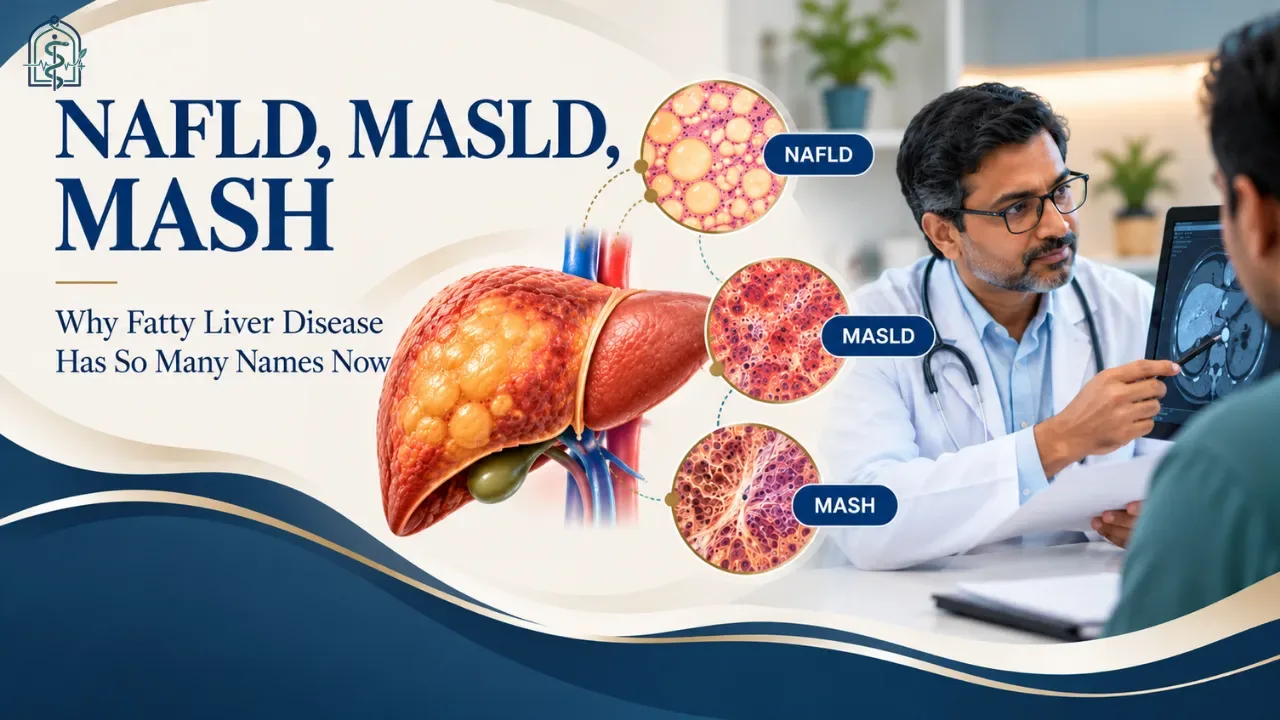 NAFLD, MASLD, MASH: Why Fatty Liver Disease Has So Many Names Now
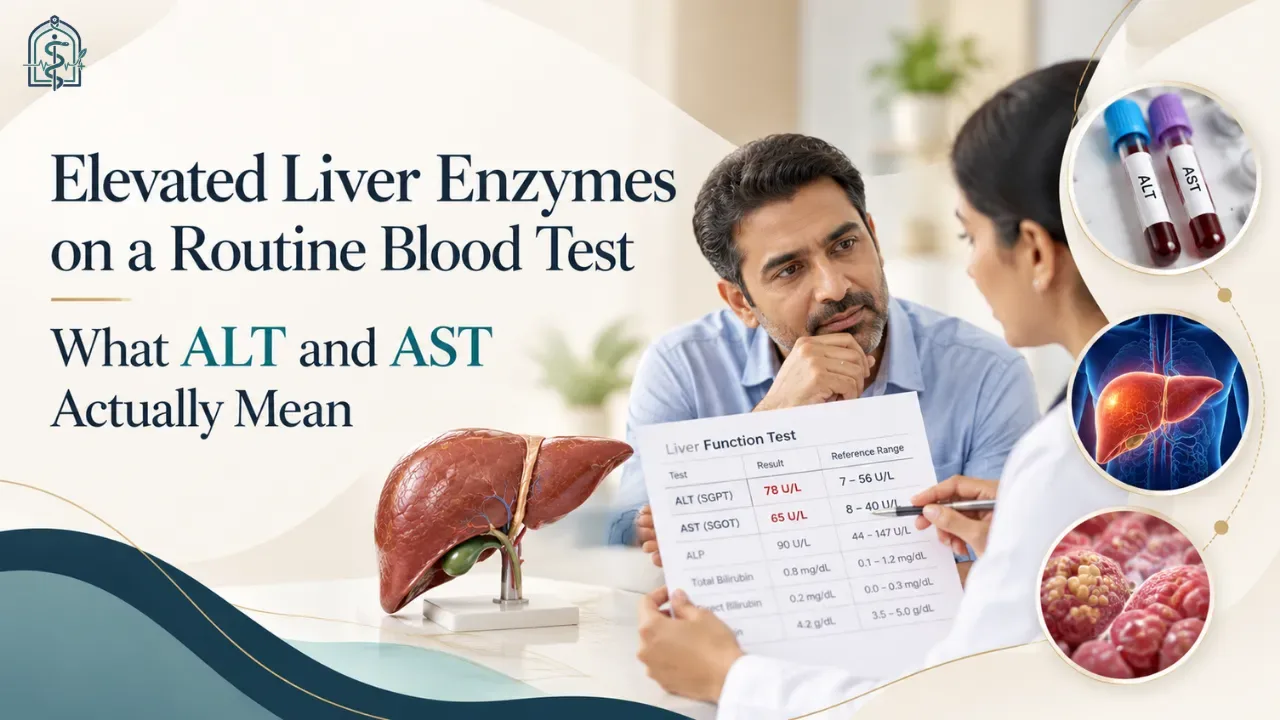 Elevated Liver Enzymes on a Routine Blood Test: What ALT and AST Actually Mean
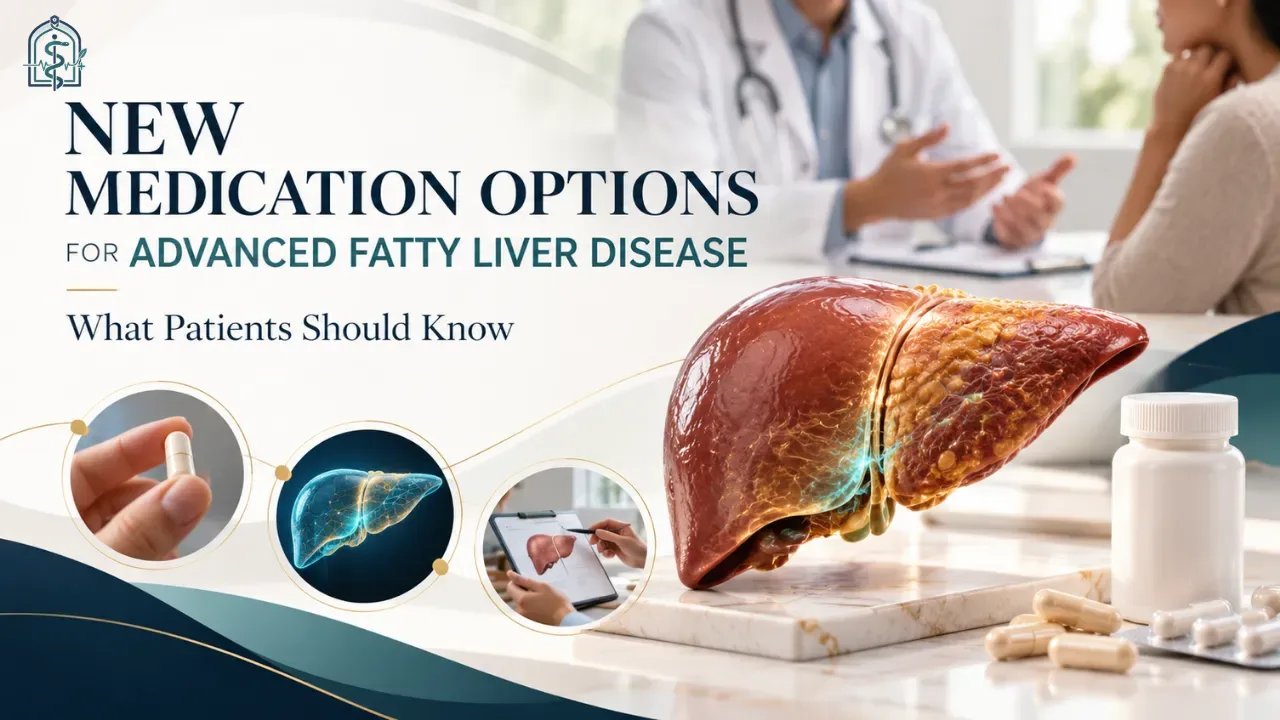 New Medication Options for Advanced Fatty Liver Disease: What Patients Should Know
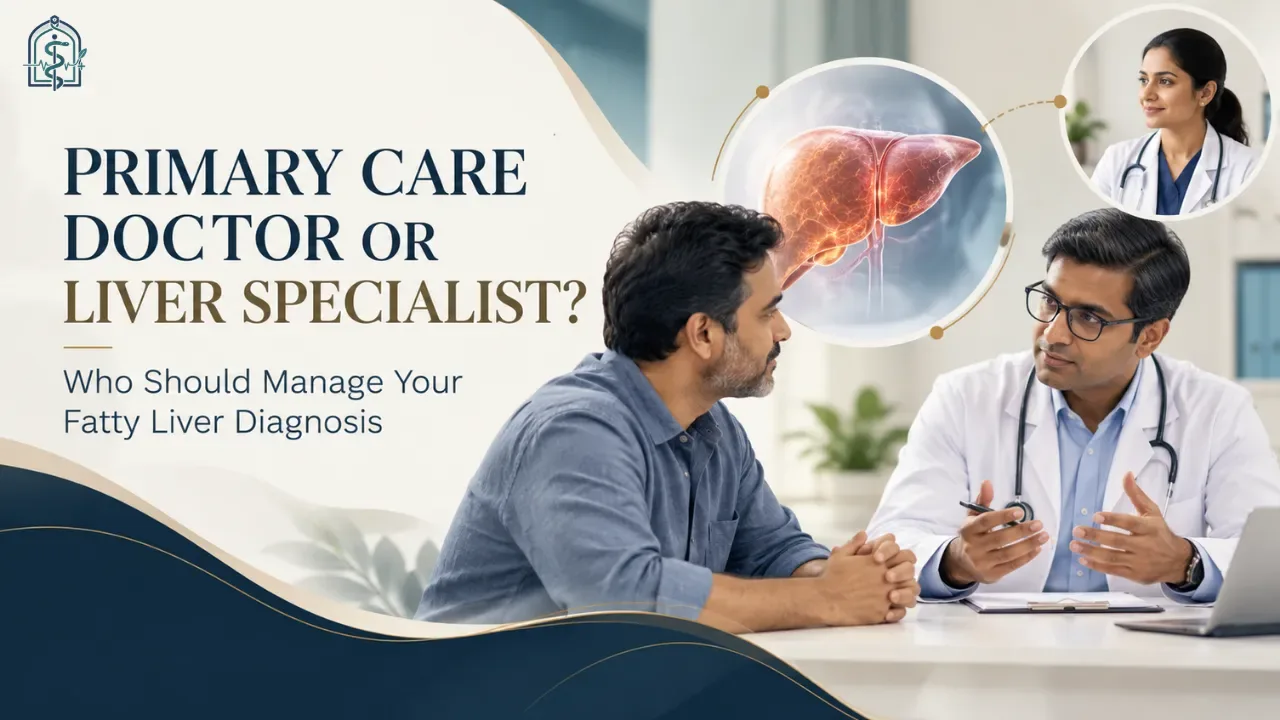 Primary Care Doctor or Liver Specialist? Who Should Manage Your Fatty Liver Diagnosis