NAFLD, MASLD, MASH: Why Fatty Liver Disease Has So Many Names Now
Fatty liver disease has undergone an important change in terminology. Learn what NAFLD, MASLD, and MASH mean, why the names changed, and what these terms mean for your liver health.
 Written and reviewed by Dr. James Kumar Pallivathukkal, Specialist in Internal Medicine and DiabetesPublished 10 Oct 2026 · Reviewed by Dr. James Kumar Pallivathukkal on 10 October 2026 · 3 min readWhatsApp
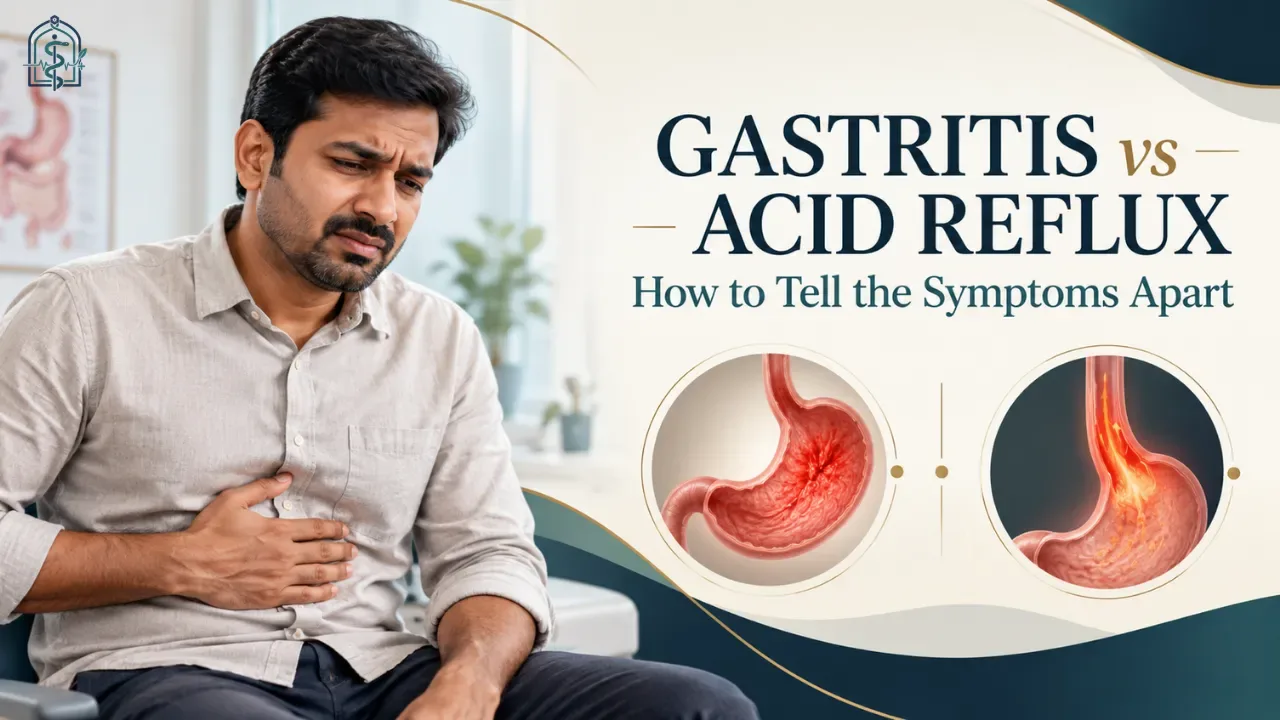
NAFLD is the older name for fatty liver not mainly caused by alcohol. MASLD is the newer name, linking fatty liver to metabolic factors such as weight, diabetes, blood pressure and cholesterol. MASH is MASLD with liver inflammation and cell injury, which can lead to scarring. The names differ, but the focus is the same: protect the liver and your metabolic health.
In this guide
Why Has Fatty Liver Disease Been Renamed?
If you have recently read about fatty liver disease, you may have noticed several different terms: NAFLD, MASLD, and MASH.
These names can be confusing, but they reflect an important change in how doctors describe fatty liver disease.
The newer terminology was introduced to better describe the underlying metabolic factors associated with many cases of fatty liver disease and to move away from terminology based mainly on what the disease is not caused by.
The terms are related, but they are not interchangeable.
What Did NAFLD Mean?
NAFLD stood for non-alcoholic fatty liver disease.
It described a condition in which excess fat accumulates in the liver without another clear cause, particularly significant alcohol-related liver disease.
NAFLD could range from relatively mild fat accumulation to more serious liver inflammation and damage.
Although the term was widely used, it had limitations. The word “non-alcoholic” described the absence of one cause rather than explaining the metabolic factors often associated with the condition.
What Does MASLD Mean?
MASLD stands for metabolic dysfunction-associated steatotic liver disease.
“Steatotic liver disease” simply means that there is excess fat in the liver.
MASLD is associated with metabolic risk factors such as overweight or obesity, type 2 diabetes, high blood pressure, abnormal cholesterol or triglyceride levels, and other features of metabolic dysfunction.
The diagnosis is not based simply on having liver fat. A healthcare professional considers the overall clinical picture and excludes other relevant causes when appropriate.
MASLD Is More Than a Liver Problem
The condition is closely connected with metabolic health. This means that managing blood glucose, blood pressure, weight, cholesterol, and other risk factors can be an important part of caring for someone with MASLD.
What Does MASH Mean?
MASH stands for metabolic dysfunction-associated steatohepatitis.
It describes a form of MASLD in which there is liver inflammation and liver cell injury associated with fat accumulation.
MASH is more concerning than simple liver fat because ongoing inflammation and injury can contribute to liver scarring, known as fibrosis.
Over time, advanced fibrosis can progress to cirrhosis in some people.
Does Fatty Liver Always Cause Symptoms?
No. Many people with fatty liver disease have few or no noticeable symptoms, particularly in earlier stages.
Some people may experience tiredness or vague discomfort in the upper-right abdomen, but these symptoms are not specific to fatty liver disease.
This is why liver problems may sometimes be discovered during routine blood tests or imaging performed for another reason.
How Is Fatty Liver Disease Evaluated?
Your doctor may consider medical history, blood tests, metabolic risk factors, and imaging. Additional tests may be used to assess whether liver fibrosis is present and how advanced it may be.
Not everyone with fatty liver has the same level of risk, so evaluation should be individualized.
When to See a Doctor
See a doctor if you have been told you have fatty liver, if your liver tests are abnormal, or if you have diabetes, obesity or high cholesterol. Seek urgent care for yellowing of the skin or eyes, vomiting blood, black stools or sudden confusion.
You may also find these guides helpful: Elevated Liver Enzymes on a Routine Blood Test: What ALT and AST Actually Mean, Can Fatty Liver Disease Be Reversed? A Step-by-Step Guide to Protecting Your Liver, New Medication Options for Advanced Fatty Liver Disease: What Patients Should Know.
Final Thoughts
The shift from NAFLD to MASLD and MASH can seem confusing, but the new terminology provides a clearer way to describe fatty liver disease and its relationship with metabolic health. If you have been told that you have fatty liver, understanding which term applies to your condition can help you have a more informed discussion with your doctor about liver health, risk factors, and appropriate follow-up.
This article is for general information and does not replace personal medical advice.
Kidney, liver and gut in Muscat: when to see an internist
Dr. James sees adults with fatty liver at Badr Al Samaa Royal Hospital, Al Ghubrah, by appointment.

Key takeaways
- NAFLD was the older term for a common form of fatty liver disease.
- MASLD is the newer term for metabolic dysfunction-associated steatotic liver disease.
- MASH describes MASLD with liver inflammation and liver cell injury.
- These terms describe related but different aspects of fatty liver disease.
- Fatty liver can occur without obvious symptoms.
- Metabolic health is an important part of managing fatty liver disease.
Common questions
What does NAFLD stand for?
NAFLD stands for non-alcoholic fatty liver disease. It is an older term that was commonly used to describe fat accumulation in the liver not primarily attributed to significant alcohol use.
What does MASLD stand for?
MASLD stands for metabolic dysfunction-associated steatotic liver disease. It is the newer terminology used for fatty liver disease associated with metabolic dysfunction.
What does MASH mean?
MASH stands for metabolic dysfunction-associated steatohepatitis. It refers to a form of MASLD involving liver inflammation and liver cell injury.
Is MASLD the same as NAFLD?
They describe a very similar condition. MASLD is the newer term and puts more emphasis on the metabolic risk factors linked with fatty liver.
Is MASH more serious than simple fatty liver?
MASH involves liver inflammation and injury, which can lead to scarring over time, so it is generally considered more concerning than fat alone. Your doctor can assess which applies to you.
Sources
- NIDDK: NAFLD and NASH · niddk.nih.gov
- NHS: Non-alcoholic fatty liver disease · nhs.uk
This guide is for general information and does not replace a consultation. Editorial and medical review policy

More in this guide series
 Fatty Liver Disease: Causes, Symptoms & How to Reverse It
 Elevated Liver Enzymes on a Routine Blood Test: What ALT and AST Actually Mean
 Can Fatty Liver Disease Be Reversed? A Step-by-Step Guide to Protecting Your Liver
 New Medication Options for Advanced Fatty Liver Disease: What Patients Should Know
 Primary Care Doctor or Liver Specialist? Who Should Manage Your Fatty Liver Diagnosis