New Medication Options for Advanced Fatty Liver Disease: What Patients Should Know
Newer treatment options are changing how some patients with advanced fatty liver disease are managed. Learn which patients may benefit from medication, why fibrosis matters, and why lifestyle and medical care remain important.
 Written and reviewed by Dr. James Kumar Pallivathukkal, Specialist in Internal Medicine and DiabetesPublished 11 Oct 2026 · Reviewed by Dr. James Kumar Pallivathukkal on 11 October 2026 · 4 min readWhatsApp
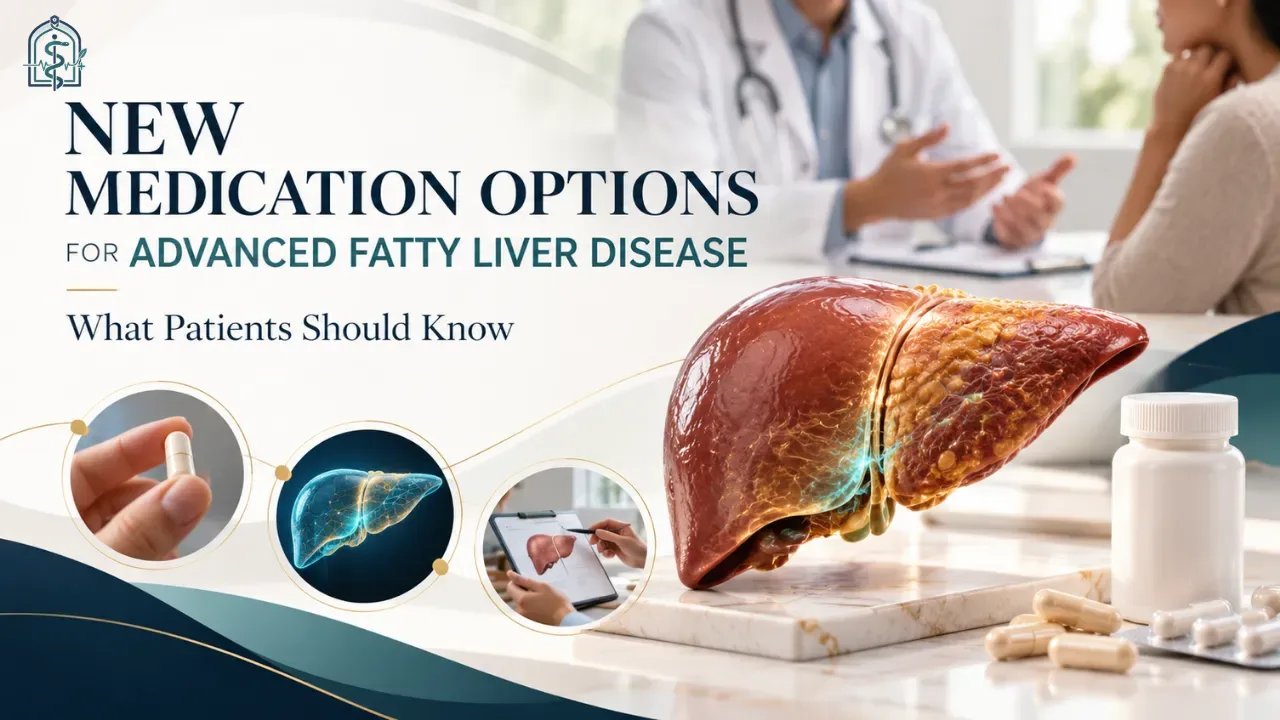
Newer treatment options now exist for some people with advanced fatty liver disease (MASH) who have significant liver scarring (fibrosis). One medicine, resmetirom, has been developed for this group, but not everyone with fatty liver needs medication. Lifestyle care, weight management and control of diabetes, cholesterol and blood pressure remain the foundation of treatment.
In this guide
- 1Are There New Medicines for Fatty Liver Disease?
- 2Why Does Liver Fibrosis Matter?
- 3Resmetirom: A Newer Treatment Option
- 4Medication Is Not a Replacement for Lifestyle Care
- 5What About Medicines for Diabetes and Obesity?
- 6Not Every Patient Needs a New Drug
- 7What Should Patients Ask Their Doctor?
- 8When to See a Doctor
- 9Final Thoughts
Are There New Medicines for Fatty Liver Disease?
Yes. Treatment for fatty liver disease has evolved, particularly for people with metabolic dysfunction-associated steatohepatitis (MASH) and significant liver fibrosis.
It is important to understand that not everyone with fatty liver needs medication. Treatment depends on the type of liver disease, the degree of fibrosis, associated metabolic conditions, and overall health.
The newer approach focuses not only on reducing liver fat but also on addressing liver inflammation and fibrosis, which are important factors in the progression of liver disease.
Why Does Liver Fibrosis Matter?
Fat accumulation in the liver does not automatically mean that advanced liver disease is present.
Some people develop inflammation and liver-cell injury, known as MASH. Continued inflammation can lead to fibrosis, which means scar tissue develops in the liver.
Advanced fibrosis can increase the risk of complications, which is why doctors may use blood tests, imaging, and other assessments to determine the degree of liver scarring.
Knowing the stage of liver disease is important before considering whether medication is appropriate.
Resmetirom: A Newer Treatment Option
Resmetirom is a medication developed specifically for certain adults with noncirrhotic MASH and moderate-to-advanced liver fibrosis.
It works on thyroid hormone pathways in the liver and is intended to help address processes involved in liver fat and fibrosis.
However, it is not a treatment for every person with fatty liver disease. Eligibility depends on factors such as the diagnosis, degree of fibrosis, and whether cirrhosis is present.
Because it can interact with other medicines and may affect certain laboratory values, treatment requires appropriate medical supervision.
Medication Is Not a Replacement for Lifestyle Care
Even when medication is appropriate, it should be viewed as part of a broader treatment plan.
Managing body weight, blood glucose, cholesterol, blood pressure, diet, and physical activity remains important for people with metabolic fatty liver disease.
Your doctor may also review alcohol intake and other medicines or supplements that could affect liver health.
What About Medicines for Diabetes and Obesity?
Some medications originally developed for type 2 diabetes or obesity can also improve metabolic factors associated with fatty liver disease.
For example, certain medicines that promote weight loss or improve blood glucose may reduce liver fat as part of their overall metabolic effects.
However, their suitability depends on your individual health. A medication should not be started simply because it is advertised as a “fatty liver treatment.”
Not Every Patient Needs a New Drug
If you have simple liver fat without significant fibrosis, lifestyle and metabolic risk management may remain the main approach.
Similarly, advanced cirrhosis requires a different type of medical management, and medications approved for noncirrhotic disease may not be appropriate.
This is why accurate staging is essential.
What Should Patients Ask Their Doctor?
If you have been diagnosed with advanced fatty liver disease, ask:
-
Do I have MASH or another form of fatty liver disease?
-
Do I have liver fibrosis, and how advanced is it?
-
Do I qualify for medication?
-
What are the expected benefits and possible risks?
-
Could my current medicines interact with the treatment?
-
How will my liver health be monitored?
-
What lifestyle changes should I continue?
These questions can help you understand why a particular treatment is being recommended.
When to See a Doctor
Ask your doctor about your liver scarring stage if you have fatty liver with diabetes, obesity or abnormal liver tests. Seek urgent care for yellow skin or eyes, vomiting blood, black stools, severe abdominal swelling or confusion.
You may also find these guides helpful: NAFLD, MASLD, MASH: Why Fatty Liver Disease Has So Many Names Now, Can Fatty Liver Disease Be Reversed? A Step-by-Step Guide to Protecting Your Liver, Primary Care Doctor or Liver Specialist? Who Should Manage Your Fatty Liver Diagnosis.
Final Thoughts
Newer medicines have expanded treatment options for selected patients with advanced fatty liver disease, particularly those with MASH and significant fibrosis. However, these treatments are not suitable for everyone. Understanding your diagnosis and the degree of liver scarring is essential before deciding whether medication is appropriate. If you have been diagnosed with advanced fatty liver disease, discuss your test results and treatment options with a qualified healthcare professional rather than starting supplements or medications on your own.
This article is for general information and does not replace personal medical advice.
Kidney, liver and gut in Muscat: when to see an internist
Dr. James sees adults with fatty liver at Badr Al Samaa Royal Hospital, Al Ghubrah, by appointment.

Key takeaways
- New medication options are available for certain patients with MASH and significant fibrosis.
- Resmetirom is one newer treatment option for eligible adults with noncirrhotic MASH and moderate-to-advanced fibrosis.
- Not everyone with fatty liver disease needs medication.
- Determining the degree of liver fibrosis is important when planning treatment.
- Lifestyle and management of diabetes, weight, cholesterol, and blood pressure remain important.
- Medication decisions should be individualized and medically supervised.
Common questions
Is there medication for advanced fatty liver disease?
Yes. Certain medications are now available for selected patients with MASH and significant liver fibrosis. Treatment eligibility depends on the individual's diagnosis and liver stage.
What is resmetirom used for?
Resmetirom is used for certain adults with noncirrhotic MASH and moderate-to-advanced liver fibrosis. It is prescribed based on specific clinical criteria and requires medical monitoring.
Does everyone with fatty liver need medication?
No. Many people can be managed primarily through lifestyle changes and treatment of metabolic risk factors. Medication is considered according to disease severity and individual circumstances. Lifestyle measures are what keep the liver improving, whether or not a medicine is added.
Who may be considered for fatty liver medication?
Doctors usually consider medication for people with MASH and moderate to advanced fibrosis after careful assessment. Many people with fatty liver do not need it.
Do I still need lifestyle changes if I take medicine?
Yes. Medicine does not replace healthy eating, activity and control of related conditions. These remain central to treatment.
Sources
- NIDDK: NAFLD and NASH · niddk.nih.gov
- NIDDK: Prescription medications to treat overweight and obesity · niddk.nih.gov
This guide is for general information and does not replace a consultation. Editorial and medical review policy

More in this guide series
 Fatty Liver Disease: Causes, Symptoms & How to Reverse It
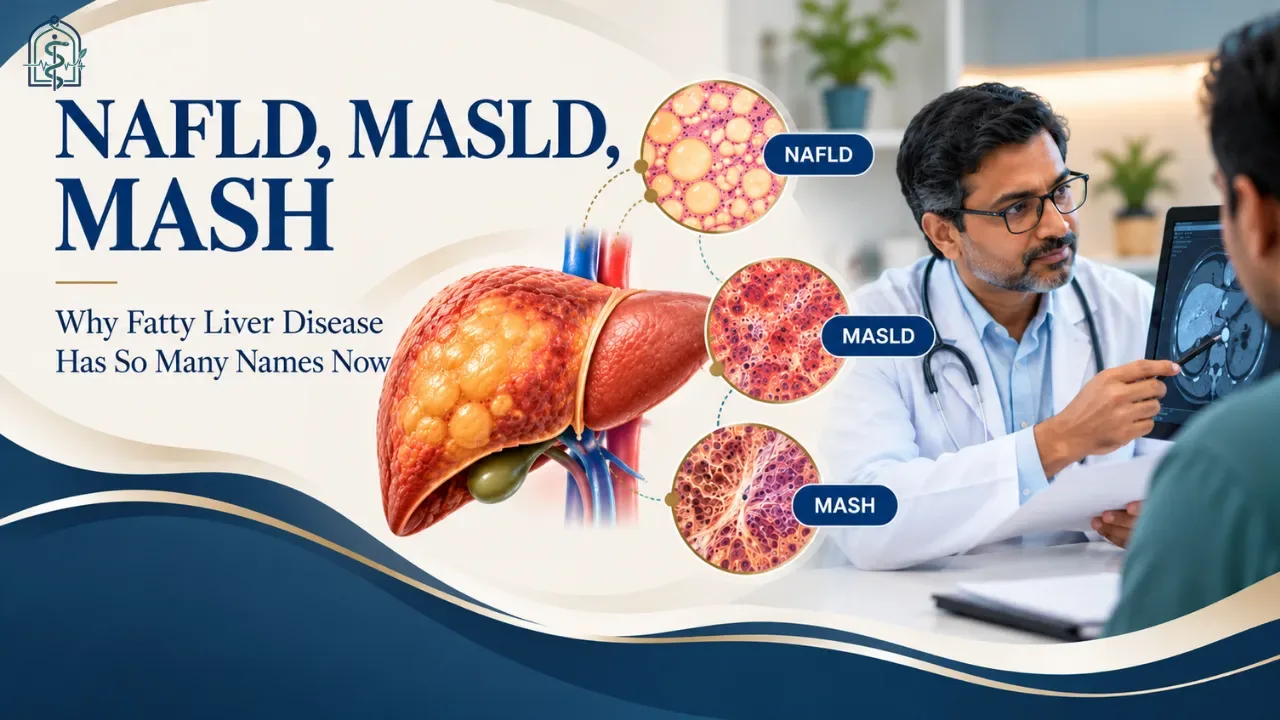 NAFLD, MASLD, MASH: Why Fatty Liver Disease Has So Many Names Now
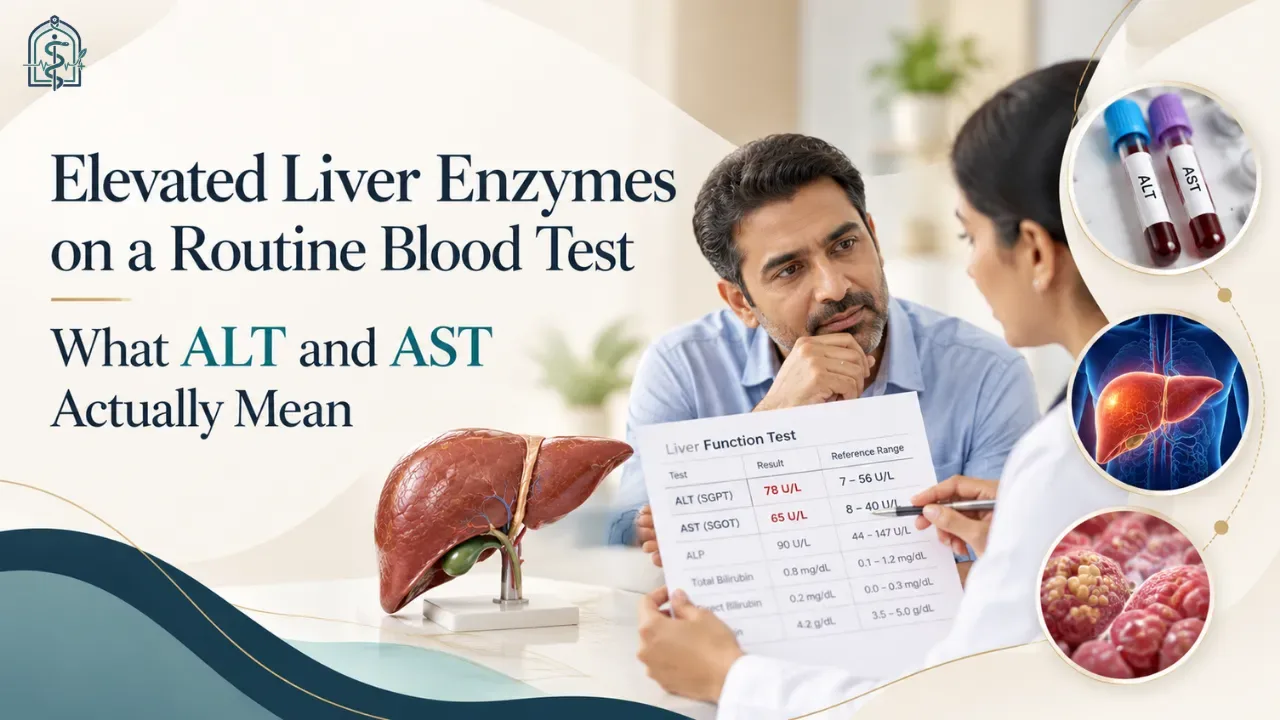 Elevated Liver Enzymes on a Routine Blood Test: What ALT and AST Actually Mean
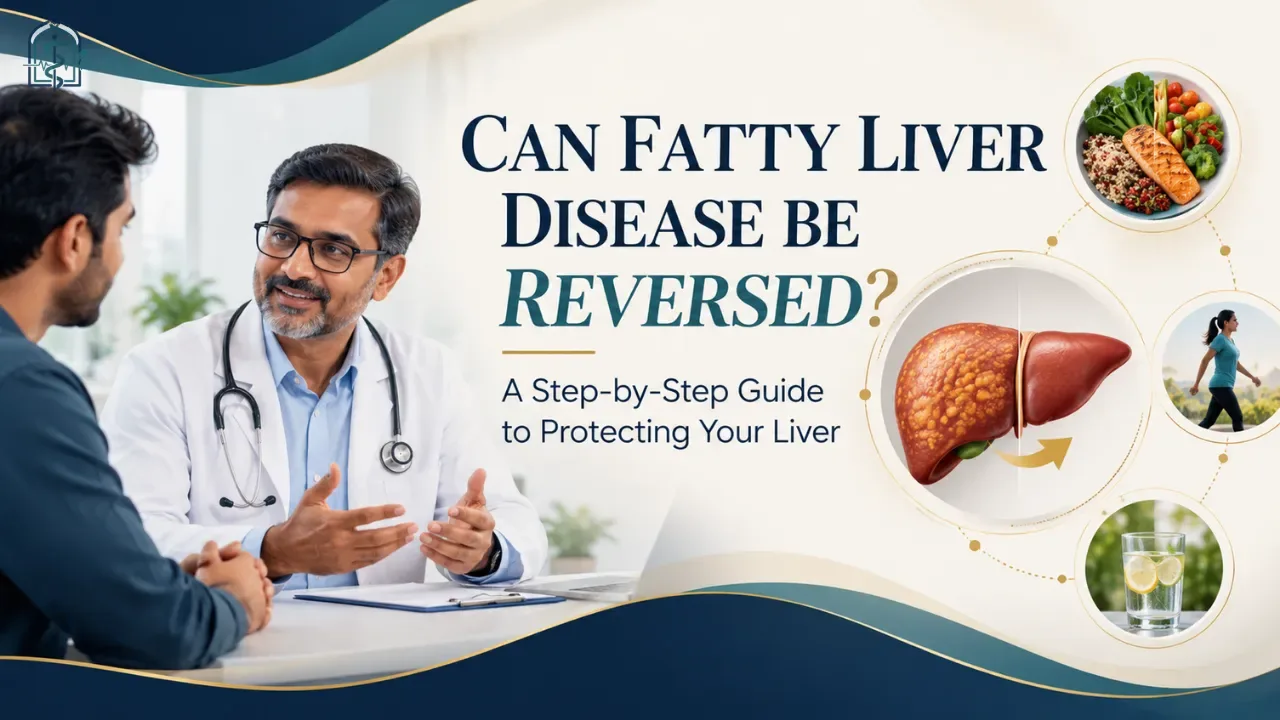 Can Fatty Liver Disease Be Reversed? A Step-by-Step Guide to Protecting Your Liver
 Primary Care Doctor or Liver Specialist? Who Should Manage Your Fatty Liver Diagnosis