New Medication Options for Sleep Apnea: What Patients Should Know
Medication is becoming part of the treatment conversation for some people with obstructive sleep apnea.
 Written and reviewed by Dr. James Kumar Pallivathukkal, Specialist in Internal Medicine and DiabetesPublished 16 Oct 2026 · Reviewed by Dr. James Kumar Pallivathukkal on 16 October 2026 · 4 min readWhatsApp

Medication is becoming part of the treatment conversation for some adults with obstructive sleep apnea and obesity. Tirzepatide is one option, working mainly by helping with weight loss. It is not a universal sleep apnea medicine and does not replace CPAP for everyone. Treatment needs to be individualised by your doctor.
In this guide
- 1Are Medications Now Available for Sleep Apnea?
- 2How Does Tirzepatide Help Sleep Apnea?
- 3It Is Not a Universal Sleep Apnea Medication
- 4Does Medication Replace CPAP?
- 5Other Treatment Options Still Matter
- 6What Should Patients Know About Side Effects?
- 7What Is the Next Step If You Have Sleep Apnea?
- 8When to See a Doctor
- 9Final Thoughts
Are Medications Now Available for Sleep Apnea?
For the wider picture, see our guide on Common Sleep Disorders: Symptoms, Causes & Health Effects.
For years, treatment for obstructive sleep apnea (OSA) has focused on approaches such as positive airway pressure therapy, oral appliances, weight management, and selected surgical procedures.
That picture has changed.
In December 2024, the U.S. Food and Drug Administration (FDA) approved tirzepatide as the first medication specifically indicated for moderate-to-severe obstructive sleep apnea in adults with obesity. The approval is for use alongside a reduced-calorie diet and increased physical activity.
This is an important development, but it does not mean that medication has replaced CPAP or that everyone with sleep apnea should take a drug.
How Does Tirzepatide Help Sleep Apnea?
Tirzepatide is a medication that acts on GIP and GLP-1 hormone receptors. It reduces appetite and food intake and can produce significant weight loss.
In people with obesity, excess tissue around the upper airway can contribute to airway narrowing during sleep. Reducing body weight may therefore improve obstructive sleep apnea.
In the clinical studies supporting its OSA approval, adults with obesity and moderate-to-severe OSA experienced significant reductions in the apnea-hypopnea index (AHI) compared with placebo after 52 weeks. AHI is a measurement of how often breathing stops or becomes significantly reduced during sleep.
It Is Not a Universal Sleep Apnea Medication
The FDA indication is specifically for adults with obesity and moderate-to-severe OSA.
That means someone with mild sleep apnea, someone without obesity, or someone with a different type of sleep-related breathing disorder should not assume that tirzepatide is appropriate.
A doctor needs to assess the individual's diagnosis, medical history, weight-related health conditions, current medications, and treatment goals.
Does Medication Replace CPAP?
No.
Positive airway pressure (PAP), including CPAP, remains an important established treatment for obstructive sleep apnea.
In the trials supporting tirzepatide's OSA indication, one study included people using PAP therapy, while another included people who were unable or unwilling to use it.
For some patients, medication may become part of a broader treatment plan rather than a simple replacement for existing therapy.
Other Treatment Options Still Matter
Depending on the individual, treatment may include:
-
CPAP or another form of PAP therapy
-
A custom oral appliance
-
Weight-management strategies
-
Positional therapy
-
Treatment of nasal or upper-airway problems
-
Selected surgical procedures
The right approach depends on the severity and type of sleep apnea, anatomy, symptoms, medical conditions, and ability to tolerate different treatments.
What Should Patients Know About Side Effects?
Tirzepatide can cause side effects, including nausea, diarrhoea, vomiting, constipation, abdominal discomfort, fatigue, and reflux.
The FDA also lists important warnings and precautions, including risks involving the gallbladder, pancreas, kidney function, allergic reactions, and other conditions. It should not be used by people with a personal or family history of medullary thyroid carcinoma or with Multiple Endocrine Neoplasia syndrome type 2.
This is why tirzepatide should be prescribed and monitored by an appropriate healthcare professional.
What Is the Next Step If You Have Sleep Apnea?
Medication should not be considered before confirming the diagnosis and understanding its severity.
If you have loud snoring, witnessed breathing pauses, nighttime gasping, morning headaches, or significant daytime sleepiness, speak with a healthcare professional. A sleep study may be recommended to determine whether sleep apnea is present and how severe it is.
Once the diagnosis is established, your doctor can discuss whether PAP therapy, an oral appliance, weight management, medication, or another treatment is appropriate.
When to See a Doctor
Talk to your doctor before starting or stopping any sleep apnea treatment. Seek urgent care for chest pain, severe shortness of breath, persistent vomiting or severe abdominal pain while on injectable medicines.
You may also find these guides helpful: Think You Might Have Sleep Apnea? A Step-by-Step Guide to Getting Evaluated, Sleep Apnea or Insomnia? Why the Symptoms Overlap and How to Tell Them Apart, Primary Care Doctor or Sleep Specialist? Who Should Manage Your Sleep Problem.
Final Thoughts
New medication options are expanding the way doctors can approach obstructive sleep apnea, particularly for adults with obesity. Tirzepatide represents an important development, but it is not a universal replacement for CPAP or other established treatments. If you have symptoms of sleep apnea, the first step is an appropriate evaluation and diagnosis. From there, your doctor can help determine whether medication, PAP therapy, an oral appliance, weight management, or a combination of approaches makes the most sense for you.
This article is for general information and does not replace personal medical advice.
Lungs, sleep and infections in Muscat: when to see an internist
Dr. James sees adults with sleep apnea and sleep problems at Badr Al Samaa Royal Hospital, Al Ghubrah, by appointment.

Key takeaways
- Tirzepatide is the first FDA-approved medication specifically indicated for moderate-to-severe OSA in adults with obesity.
- Its improvement in sleep apnea is believed to be related largely to weight reduction.
- Medication does not automatically replace CPAP or other established treatments.
- Not everyone with sleep apnea is a candidate for tirzepatide.
- Treatment should be based on the type and severity of sleep apnea and the person's overall health.
- Tirzepatide has important side effects, contraindications, and precautions that require medical supervision.
- A confirmed diagnosis and individualized treatment plan are essential.
Common questions
What is the new medication for sleep apnea?
Tirzepatide in the United States, is the first medication approved by the FDA specifically for moderate-to-severe obstructive sleep apnea in adults with obesity.
Does tirzepatide cure sleep apnea?
It should not be described as a guaranteed cure. Clinical studies showed significant improvement in sleep apnea measurements in eligible adults with obesity, but treatment needs to be individualized and ongoing.
Can tirzepatide replace CPAP?
Not automatically. CPAP and other PAP treatments remain important treatments for obstructive sleep apnea. Whether medication can be used instead of, or alongside, another treatment depends on the individual clinical situation.
Who may be considered for sleep apnea medication?
Doctors may consider it for some adults with obstructive sleep apnea and obesity, after assessing health, other medicines and treatment goals.
Do I still need regular sleep apnea follow-up on medication?
Yes. Follow-up helps your doctor check symptoms, weight, side effects and whether other treatments are still needed. It also catches weight regain or returning symptoms early, before they undo the progress.
Sources
- NHLBI: Sleep apnea treatment · nhlbi.nih.gov
- NHS: Sleep apnoea · nhs.uk
This guide is for general information and does not replace a consultation. Editorial and medical review policy

Related areas of expertise

More in this guide series
 Common Sleep Disorders: Symptoms, Causes & Health Effects
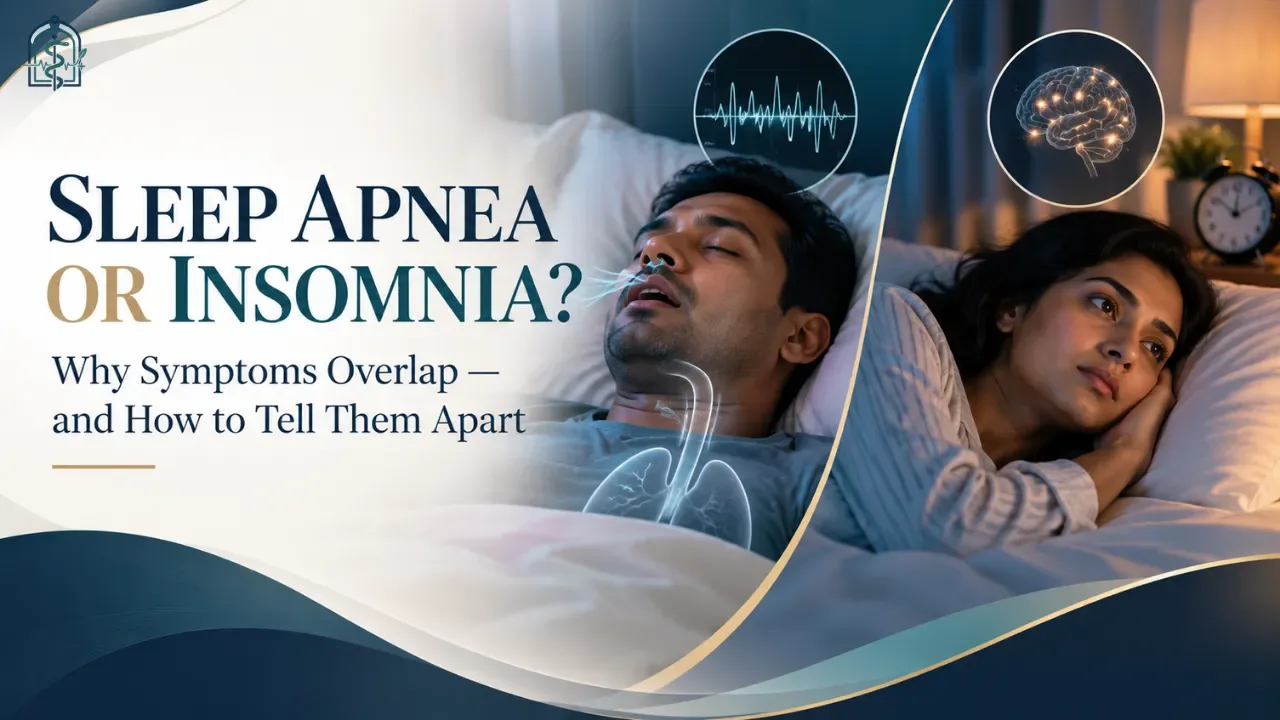 Sleep Apnea or Insomnia? Why the Symptoms Overlap and How to Tell Them Apart
 Is Melatonin Safe to Take Every Night? What the New Heart Research Actually Shows
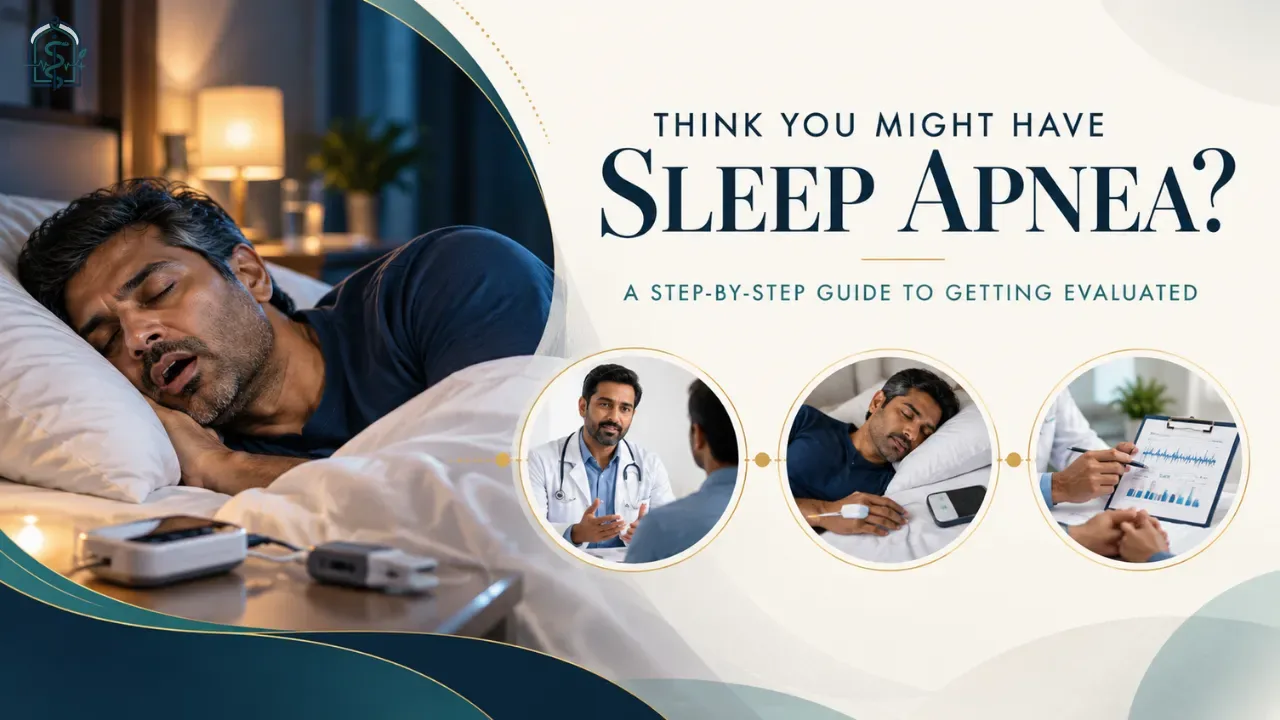 Think You Might Have Sleep Apnea? A Step-by-Step Guide to Getting Evaluated
 Primary Care Doctor or Sleep Specialist? Who Should Manage Your Sleep Problem
Keep reading


Snoring, insomnia, daytime tiredness
Book about thisRead about sleep apnea