How to Lower Blood Pressure Naturally: A Step-by-Step Guide
If your readings have come back higher than you would like, you probably want to know what you can change yourself. Quite a lot, as it turns out. Diet, activity, body weight, alcohol, smoking and sleep all push blood pressure up or down.
 Written and reviewed by Dr. James Kumar Pallivathukkal, Specialist in Internal Medicine and DiabetesPublished 4 Oct 2026 · Reviewed by Dr. James Kumar Pallivathukkal on 4 October 2026 · 4 min readWhatsApp
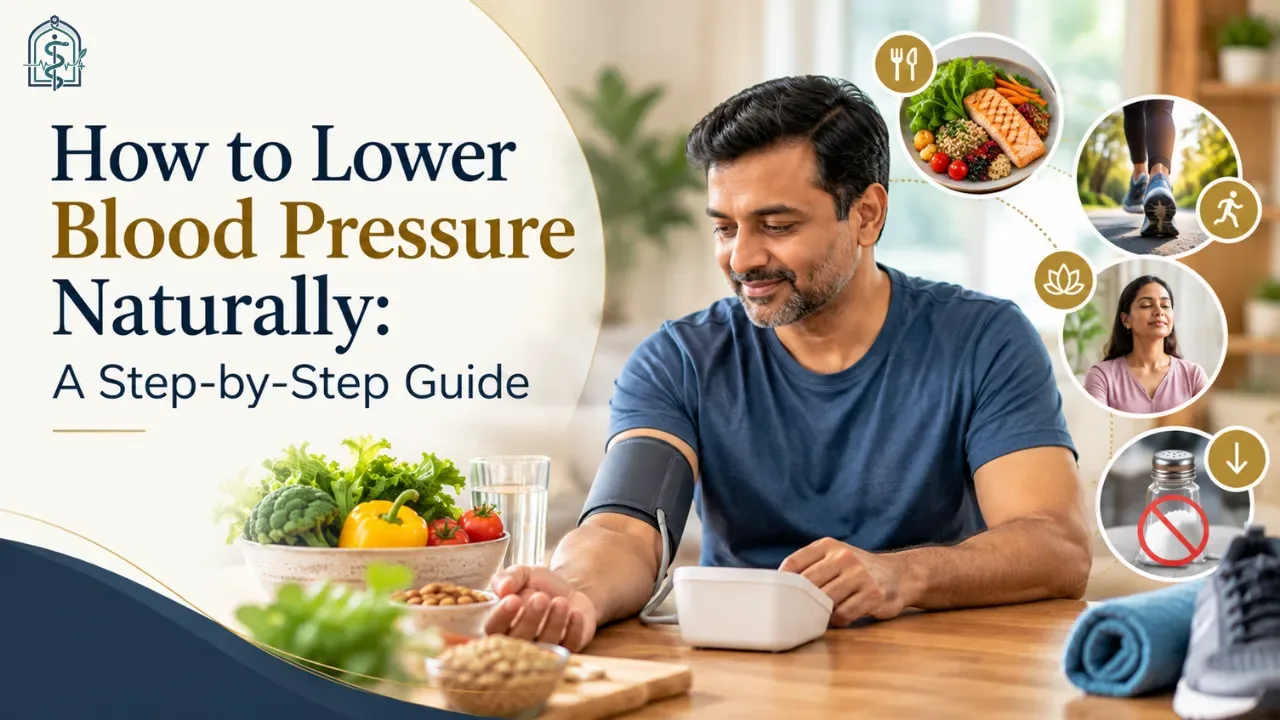
Lowering blood pressure naturally means changing the habits that raise it: eating less salt, following a vegetable-rich diet, exercising most days, losing extra weight, drinking less alcohol, quitting smoking and treating sleep apnea if it is present. Changes often take several weeks to show up in home readings. Lifestyle changes do not replace prescribed medicine unless your doctor decides they can.
In this guide
If your readings have come back higher than you would like, you probably want to know what you can change yourself. Quite a lot, as it turns out. Diet, activity, body weight, alcohol, smoking and sleep all push blood pressure up or down. For people already on medicine, the same habits can make treatment work better and protect the heart and kidneys over the long term.
For the wider picture, see our guide on Understanding High Blood Pressure: Causes, Risks & Management.
Will Lifestyle Changes Really Bring Blood Pressure Down?
Often they make a measurable difference, though people respond differently. How far a reading drops depends on your starting point, your age and your other risk factors. Some people reach their target through lifestyle changes alone. Others need them alongside tablets. The only reliable way to find out is to track home readings for several weeks and compare averages, not single numbers.
Step-by-Step Lifestyle Plan
Step 1: Get a baseline first
You cannot judge progress without a starting point. Sit quietly for five minutes with your back supported and feet flat. Rest your bare arm on a table at heart level, take two readings about a minute apart, and write both down. Your doctor can check that your monitor and cuff size are right.
Step 2: Trace the salt
The World Health Organization advises adults to eat less than 5 grams of salt a day, roughly one teaspoon. Most of it does not come from the salt shaker. Bread, sauces, stock cubes, processed meat, crisps and restaurant dishes carry much of the load. Compare sodium figures on labels, and use garlic, lemon, herbs and pepper to keep food flavourful.
Step 3: Change the plate, not the whole menu
Build meals around vegetables, fruit, whole grains, beans, lentils, nuts and fish. The DASH eating plan was designed for blood pressure and makes a sensible template. Fried food, sugary drinks and heavily processed meals are usually the first things to cut back. Swapping one meal a day is easier to keep up than an overnight overhaul.
Step 4: Work up to 150 minutes of movement
WHO guidance suggests at least 150 minutes of moderate activity a week, which for most people means about 30 minutes on five days. Brisk walking, cycling and swimming all count, and two strength sessions a week add more. If you have been inactive, start with ten-minute walks and build up. Anyone with heart disease or joint problems should check their plan with a doctor first.
Step 5: Lose weight at a steady pace
Extra weight raises blood pressure, and even a modest loss can help. Slow, steady loss over months is more likely to last than a crash diet, and it is gentler on the body.
Step 6: Be honest about alcohol
Regular heavy drinking pushes blood pressure up in a clear way. For some people, cutting back or taking a few weeks off makes a visible difference. Ask your doctor what amount is reasonable for you.
Step 7: Stop smoking
Smoking narrows and damages blood vessels, adding to the risk of heart attack and stroke. Quitting lowers that risk even if blood pressure itself falls slowly. Your doctor can suggest support, including medicines or counselling where appropriate.
Step 8: Pay attention to your sleep
Loud snoring, pauses in breathing, waking up gasping or feeling exhausted after a full night can point to sleep apnea. Sleep apnea is closely linked to high blood pressure, and treating it can make readings easier to control. Mention these signs to your doctor.
Step 9: Make room to unwind
Breathing exercises, time outdoors and a steady bedtime routine can help some people feel calmer. These habits support the rest of the plan, but they are not a substitute for it.
What Should You Do Now?
Start small. Pick two changes you can realistically keep for the next month, such as swapping packaged snacks for fruit and walking after dinner. Keep recording your home readings and bring the log to your next visit. If you take medicine, keep taking it. Better numbers mean the plan is working, and any change to treatment should come from your doctor.
When Should You See a Doctor?
Book a review if your readings stay high after several weeks of consistent effort, or if you have diabetes or kidney disease. Seek emergency care straight away for a severe headache, chest pain, breathlessness, confusion, sudden weakness or numbness on one side, slurred speech or sudden changes in vision.
You may also find these guides helpful: Why Is My Blood Pressure Different at Home Than at the Doctor's Office? and Why High Blood Pressure Has No Symptoms: The Silent Killer.
Final Thoughts
Lifestyle changes are worth making even when medicine is needed, because they protect the heart and blood vessels either way.
Heart and blood pressure in Muscat: when to see an internist
Dr. James sees adults with high blood pressure at Badr Al Samaa Royal Hospital, Al Ghubrah, by appointment.

Key takeaways
- Diet, activity, weight, alcohol, smoking and sleep all move blood pressure.
- Salt in packaged and restaurant food is usually the biggest source.
- Average home readings show progress more reliably than single numbers.
- Medicine changes belong to your doctor, not to a home reading.
Common questions
How quickly can lifestyle changes lower blood pressure?
Some people see their home readings settle within a few weeks, but a steadier pattern usually takes a few months of consistent habits. Look at weekly averages rather than the reading you took after a stressful morning. If nothing shifts after a reasonable effort, your doctor can check whether something else is pushing your pressure up.
Is it safe to make lifestyle changes if I already take blood pressure medicine?
Lifestyle changes and medicine work well together. Good habits can make a tablet more effective, and in some people they reduce how much medicine is needed over time. That decision belongs to your doctor. Please do not stop or lower a dose because your readings look better. Bring the log to your doctor and let them decide.
Which foods help lower blood pressure?
A diet built around vegetables, fruit, whole grains, beans, nuts and fish, with little added salt, is the pattern most often linked with lower blood pressure. Potassium from foods such as bananas, spinach and beans may help too. People with kidney disease, or those taking certain medicines, should check with a doctor before increasing potassium, since too much can be harmful.
Is walking enough to lower blood pressure?
Walking is often the simplest place to start. Thirty minutes of brisk walking on most days adds up to the 150-minute weekly guideline. If you have been inactive, build up slowly. If you have heart disease, joint problems or other conditions, ask your doctor what pace suits you.
Do supplements lower blood pressure?
Plenty of supplements are sold for blood pressure, but solid evidence is thin and product quality varies widely. Some interact with prescription medicines or affect the kidneys. Mention any supplement to your doctor before starting it. Treat it as an addition to your plan, never a replacement for prescribed care.
Sources
- NHS: High blood pressure (hypertension) · nhs.uk
- CDC: About high blood pressure · cdc.gov
This guide is for general information and does not replace a consultation. Editorial and medical review policy

Related areas of expertise

More in this guide series
 Understanding High Blood Pressure: Causes, Risks & Management
 Why High Blood Pressure Has No Symptoms: The Silent Killer
 Smartwatch vs. Cuff: Can Wearables Measure Blood Pressure Accurately?
 Why Is My Blood Pressure Different at Home Than at the Doctor's Office?
 Primary Care Doctor or Cardiologist for Blood Pressure?
Keep reading
Monitoring and a plan to reach target
Book about thisRead about high blood pressure