What Are the Symptoms of Asthma? Early Signs, Common Triggers and Warning Symptoms
Asthma symptoms can come and go and may vary from person to person. Learn the early signs of asthma, common symptoms and triggers, and the warning signs that may require urgent medical attention.
 Written and reviewed by Dr. James Kumar Pallivathukkal, Specialist in Internal Medicine and DiabetesPublished 17 Oct 2026 · Reviewed by Dr. James Kumar Pallivathukkal on 17 October 2026 · 4 min readWhatsApp

Common asthma symptoms are wheezing, shortness of breath, chest tightness and cough, often worse at night or early morning. Symptoms can come and go. Triggers include allergens, infections, exercise, cold air, smoke and stress. Seek urgent help if you cannot speak comfortably, your lips turn blue or your reliever does not help.
In this guide
- 1What Does Asthma Feel Like?
- 2Common Symptoms of Asthma
- 3Symptoms Can Come and Go
- 4Early Signs You Should Pay Attention To
- 5Common Asthma Triggers
- 6Allergens
- 7Respiratory Infections
- 8Exercise and Cold Air
- 9Smoke and Irritants
- 10Stress and Other Factors
- 11When Are Asthma Symptoms an Emergency?
- 12How Is Asthma Diagnosed?
- 13Managing Asthma Starts With Understanding Your Symptoms
- 14Final Thoughts
What Does Asthma Feel Like?
For the wider picture, see our guide on Asthma Symptoms and Triggers: Causes, Diagnosis & Relief.
Asthma is a chronic condition that affects the airways, the tubes that carry air into and out of the lungs. In people with asthma, the airways can become inflamed and narrowed, making breathing more difficult.
Asthma symptoms can vary in frequency and severity. Some people have occasional symptoms, while others experience symptoms more regularly.
Recognizing the early signs can help you seek medical advice before symptoms become more difficult to control.
Common Symptoms of Asthma
The most common asthma symptoms include:
-
Wheezing or a whistling sound while breathing
-
Shortness of breath
-
Chest tightness or pressure
-
Coughing, particularly at night or early in the morning
A cough may sometimes be the main symptom, particularly in people with a form of asthma called cough-variant asthma.
Symptoms may become more noticeable during exercise, at night, during respiratory infections, or after exposure to a particular trigger.
Symptoms Can Come and Go
Asthma is not necessarily associated with constant breathing difficulty.
A person may feel completely well between episodes. This can sometimes lead people to ignore occasional wheezing or coughing.
However, recurring symptoms are worth discussing with a healthcare professional, particularly if they interfere with sleep, exercise, work, or daily activities.
Early Signs You Should Pay Attention To
Early asthma symptoms can be subtle.
You might notice that you cough repeatedly after exercising, become unusually short of breath around certain triggers, or experience occasional chest tightness.
Nighttime coughing or waking because of breathing difficulty can also be an important clue.
These symptoms do not automatically mean you have asthma. Other conditions can cause similar breathing problems, so proper medical assessment is important.
Common Asthma Triggers
Asthma triggers differ from person to person.
Common triggers can include:
Allergens
Some people experience symptoms after exposure to allergens such as pollen, dust mites, mold, or animal dander.
Respiratory Infections
Colds and other respiratory infections can trigger asthma symptoms or make existing symptoms worse.
Exercise and Cold Air
Physical activity can trigger symptoms in some people. Cold or dry air may also irritate sensitive airways.
Smoke and Irritants
Tobacco smoke, air pollution, strong odors, chemical fumes, and other airborne irritants can contribute to symptoms.
Stress and Other Factors
Emotional stress, certain medications, workplace exposures, and other factors may trigger symptoms in some individuals.
Identifying your personal triggers can be useful when developing an asthma management plan.
When Are Asthma Symptoms an Emergency?
Most asthma symptoms can be managed with an appropriate treatment plan, but a severe asthma attack can become a medical emergency.
Seek urgent medical attention if breathing becomes severely difficult, symptoms are rapidly worsening, you cannot speak normally because of breathlessness, or your prescribed rescue treatment is not providing the expected relief.
Do not wait for severe breathing difficulty to resolve on its own.
How Is Asthma Diagnosed?
Asthma is diagnosed using your symptoms, medical history, physical examination, and, when appropriate, breathing tests.
Spirometry is a common lung function test that measures how much air you can breathe out and how quickly you can do so.
Your doctor may recommend additional testing depending on your age, symptoms, and clinical situation.
Because asthma symptoms can resemble other respiratory conditions, self-diagnosis is not recommended.
Managing Asthma Starts With Understanding Your Symptoms
If you regularly experience coughing, wheezing, chest tightness, or shortness of breath, keep track of when symptoms occur and what seems to trigger them.
This information can help your doctor determine whether asthma is likely and develop an appropriate management plan.
Do not change or stop prescribed asthma medication without discussing it with your healthcare professional.
You may also find these guides helpful: Asthma vs COPD: What Is the Difference and How Can You Tell?, When Should You See a Doctor for Shortness of Breath or Breathing Difficulty?, Why Am I Still Short of Breath Even With an Inhaler? Common Reasons and When to Get Help.
Final Thoughts
Asthma symptoms are not always obvious, especially when they occur only occasionally. Recurrent wheezing, coughing, chest tightness, or shortness of breath can be important clues, even if you feel normal between episodes. Identifying triggers and getting an appropriate medical evaluation can help determine whether asthma is responsible for your symptoms. If breathing becomes severely difficult or symptoms worsen rapidly, seek urgent medical care rather than waiting for them to improve.
This article is for general information and does not replace personal medical advice.
Lungs, sleep and infections in Muscat: when to see an internist
Dr. James sees adults with asthma and breathing at Badr Al Samaa Royal Hospital, Al Ghubrah, by appointment.

Key takeaways
- Common asthma symptoms include wheezing, coughing, shortness of breath, and chest tightness.
- Symptoms may come and go and can vary between individuals.
- Exercise, allergens, respiratory infections, smoke, pollution, and cold air can trigger symptoms.
- Nighttime coughing or breathing problems should not be ignored.
- Spirometry and other breathing tests may help diagnose asthma.
- Severe or rapidly worsening breathing difficulty requires urgent medical attention.
- Asthma symptoms should be properly evaluated because other conditions can cause similar problems.
Common questions
What are the most common symptoms of asthma?
The most common symptoms are wheezing, shortness of breath, chest tightness, and coughing. Symptoms may occur intermittently or become more frequent during flare-ups.
What is the first sign of asthma?
There is no single first symptom for everyone. Recurrent coughing, wheezing, chest tightness, or shortness of breath, especially when triggered by exercise, allergens, infections, or other exposures, can be early clues.
Can asthma cause only a cough?
Yes. Some people have cough-variant asthma, in which coughing is the main or only noticeable symptom. Persistent or recurring cough should still be evaluated because many other conditions can cause it.
Can asthma start in adults?
Yes. Asthma can begin at any age, so new wheezing or breathlessness in an adult should be checked. Adult-onset asthma is common, and it is more often missed because people assume asthma belongs to childhood.
Is a cough at night a sign of asthma?
It can be. A cough that is worse at night or early morning is a common asthma symptom, but other conditions can cause it too, so it should be checked by a doctor.
Sources
- NHS: Asthma · nhs.uk
- CDC: Asthma · cdc.gov
This guide is for general information and does not replace a consultation. Editorial and medical review policy

Related areas of expertise
More in this guide series
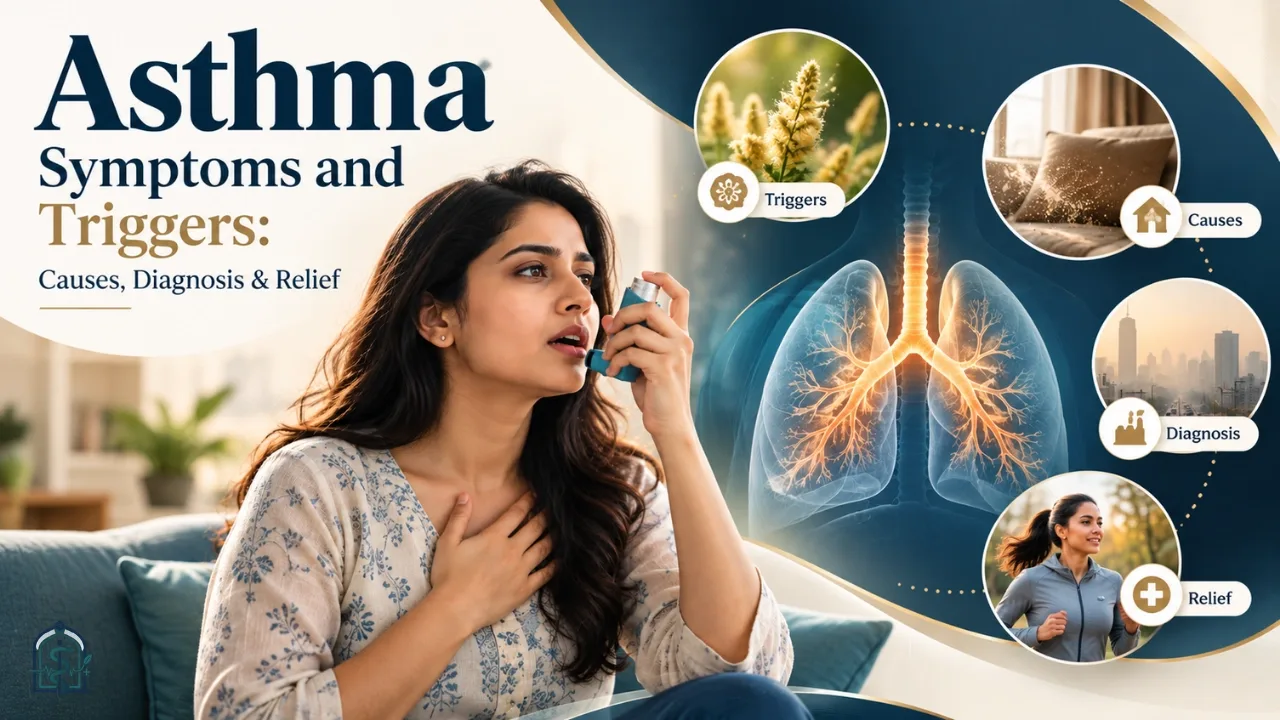 Asthma Symptoms and Triggers: Causes, Diagnosis & Relief
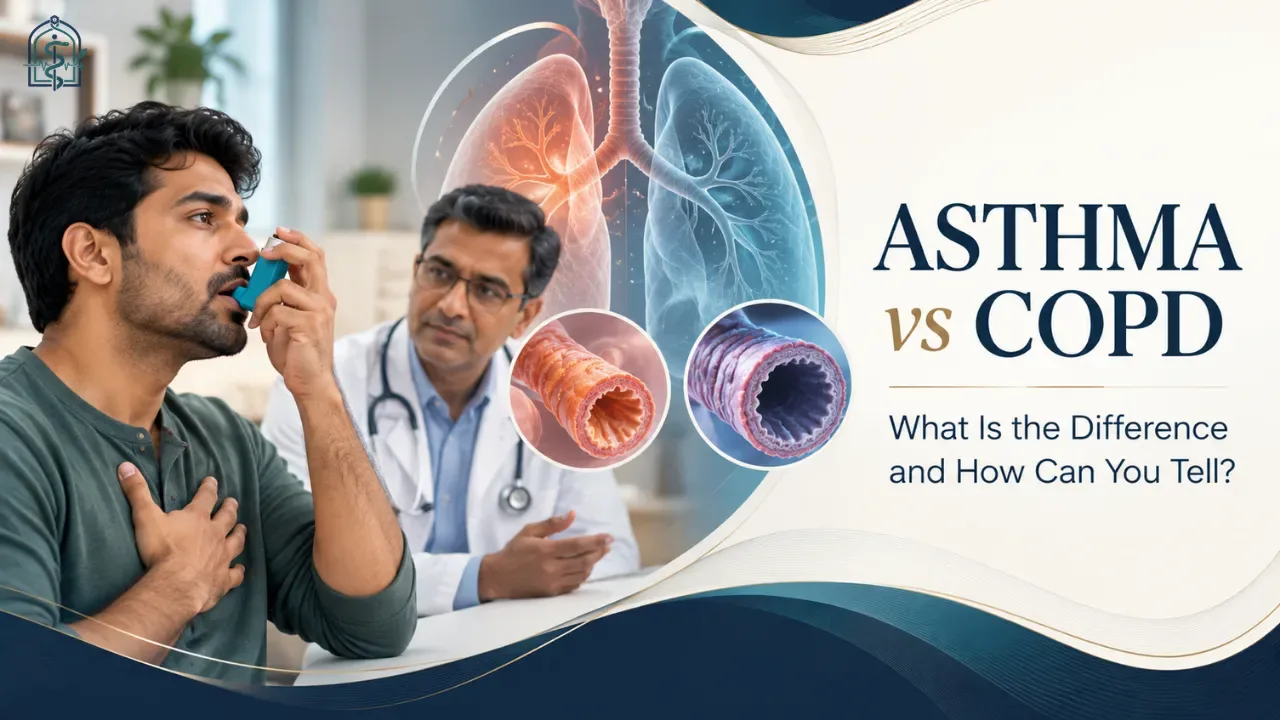 Asthma vs COPD: What Is the Difference and How Can You Tell?
 When Should You See a Doctor for Shortness of Breath or Breathing Difficulty?
 Why Am I Still Short of Breath Even With an Inhaler? Common Reasons and When to Get Help
 How to Choose an Asthma and Breathing Specialist in Muscat: What to Look For