Primary Care Doctor or Endocrinologist for Thyroid?
Many thyroid conditions can be managed by a primary care or internal medicine doctor. Learn what each doctor does and when an endocrinologist referral makes sense.
 Written and reviewed by Dr. James Kumar Pallivathukkal, Specialist in Internal Medicine and DiabetesPublished 7 Oct 2026 · Reviewed by Dr. James Kumar Pallivathukkal on 7 October 2026 · 2 min readWhatsApp
Uncomplicated hypothyroidism and stable thyroid conditions are often diagnosed, treated and monitored by a primary care or internal medicine doctor. An endocrinologist may be helpful when the diagnosis is unclear, hyperthyroidism needs specialist treatment, thyroid nodules need evaluation, levels are hard to control, pregnancy is involved, or other hormone problems are suspected.
In this guide
When you are diagnosed with a thyroid problem, you may wonder whether you need a specialist. Primary care and internal medicine doctors manage many thyroid conditions well, while endocrinologists, who specialise in hormones, help with complex or difficult cases.
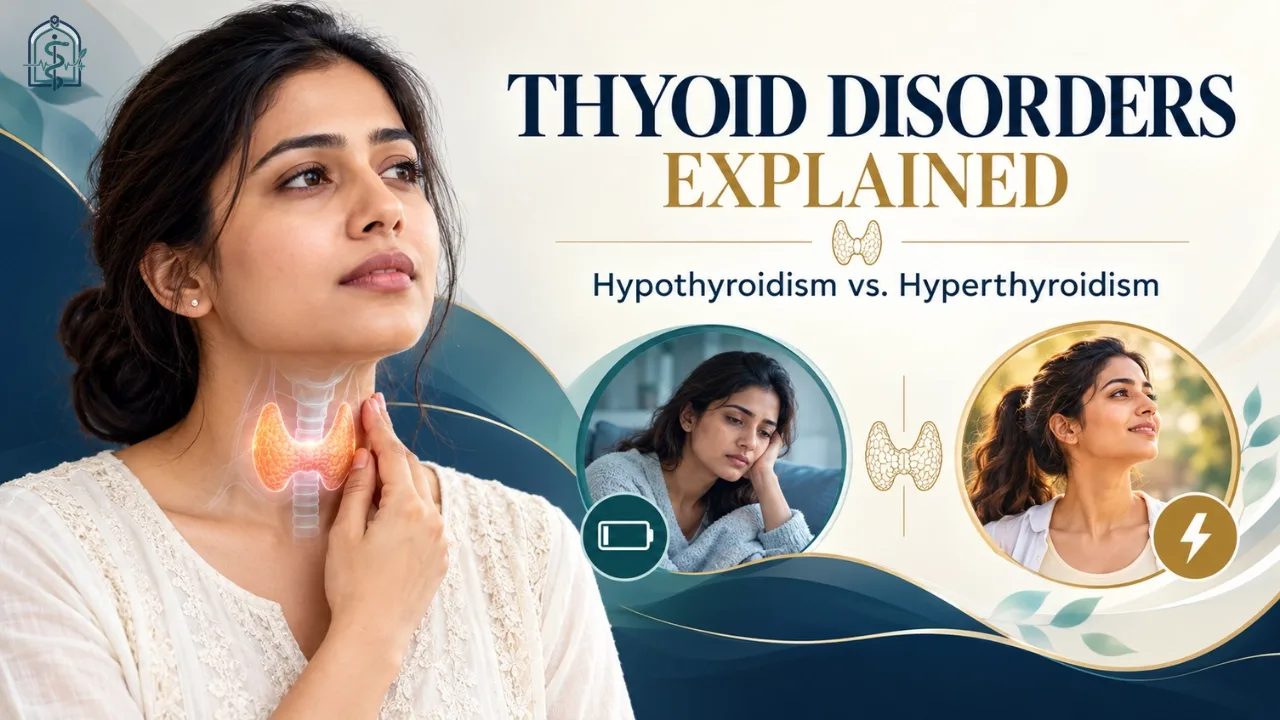
For the wider picture, see our guide on Thyroid Disorders Explained: Hypothyroidism vs. Hyperthyroidism.
What Can a Primary Care or Internal Medicine Doctor Do?
-
Assess symptoms and order thyroid tests
-
Diagnose common conditions such as hypothyroidism
-
Start and adjust levothyroxine
-
Monitor thyroid levels regularly
-
Review medicines and supplements
-
Manage related conditions such as diabetes, blood pressure and cholesterol
An internist sees the whole picture, which helps because thyroid disease often occurs alongside other health problems.
What Does an Endocrinologist Do?
An endocrinologist specialises in the endocrine system, including the thyroid, pituitary, adrenal glands and pancreas. They manage complex thyroid conditions, hyperthyroidism, thyroid nodules, thyroid eye disease and unusual hormone patterns.
When Is an Endocrinologist Referral Helpful?
-
Hyperthyroidism needing specialist treatment such as radioactive iodine
-
Thyroid nodules or goitre that need evaluation
-
Thyroid levels that stay abnormal despite treatment
-
Unclear or unusual test results
-
Thyroid disease in pregnancy or planning pregnancy, depending on complexity
-
Thyroid eye disease
-
Suspected pituitary or other hormone disorders
A referral does not mean the condition is serious. It means specialist input may help.
Can Both Doctors Work Together?
Yes. Often an endocrinologist advises on a plan, and the primary care doctor continues long-term monitoring and manages other conditions.
How Should You Take Thyroid Medication?
Take levothyroxine as directed, usually on an empty stomach with water, and keep a gap from calcium, iron and some other medicines. Never change or stop the dose without advice.
How Do You Choose?
For straightforward, stable thyroid conditions, a primary care or internal medicine doctor is usually suitable. For complex or difficult cases, an endocrinologist adds expertise. What matters most is consistent follow-up and a doctor who knows your full health picture.
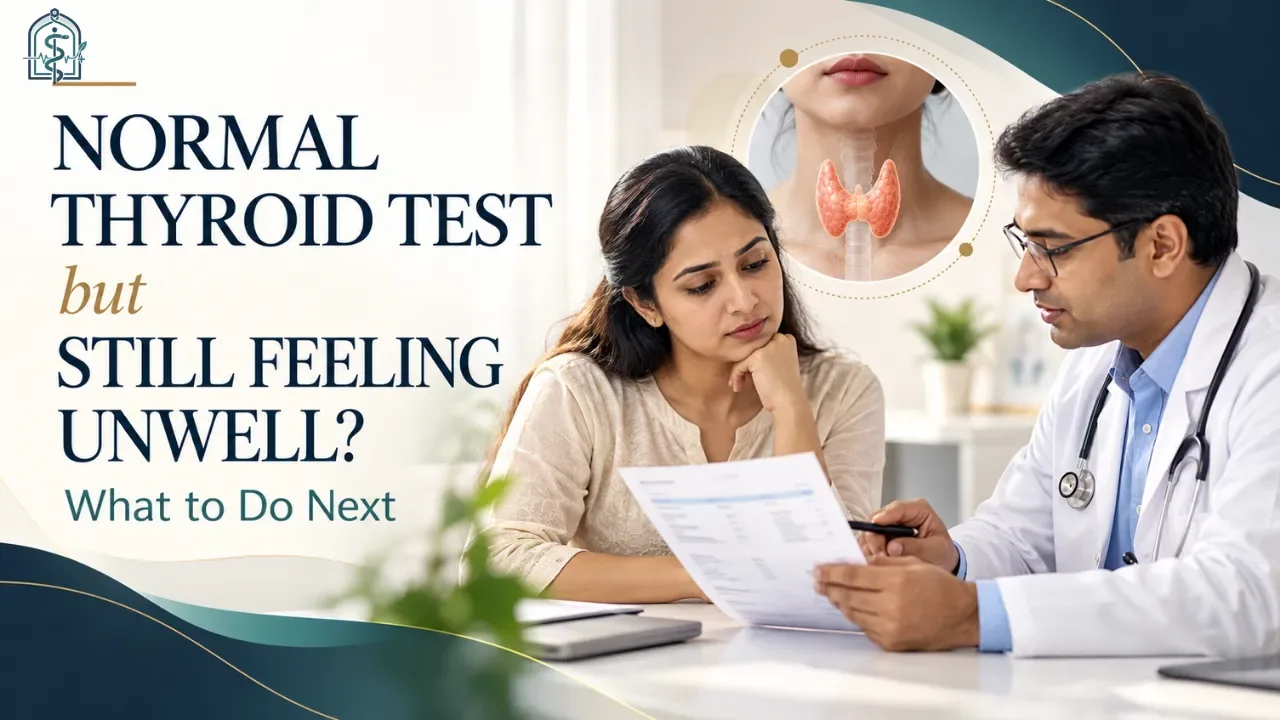
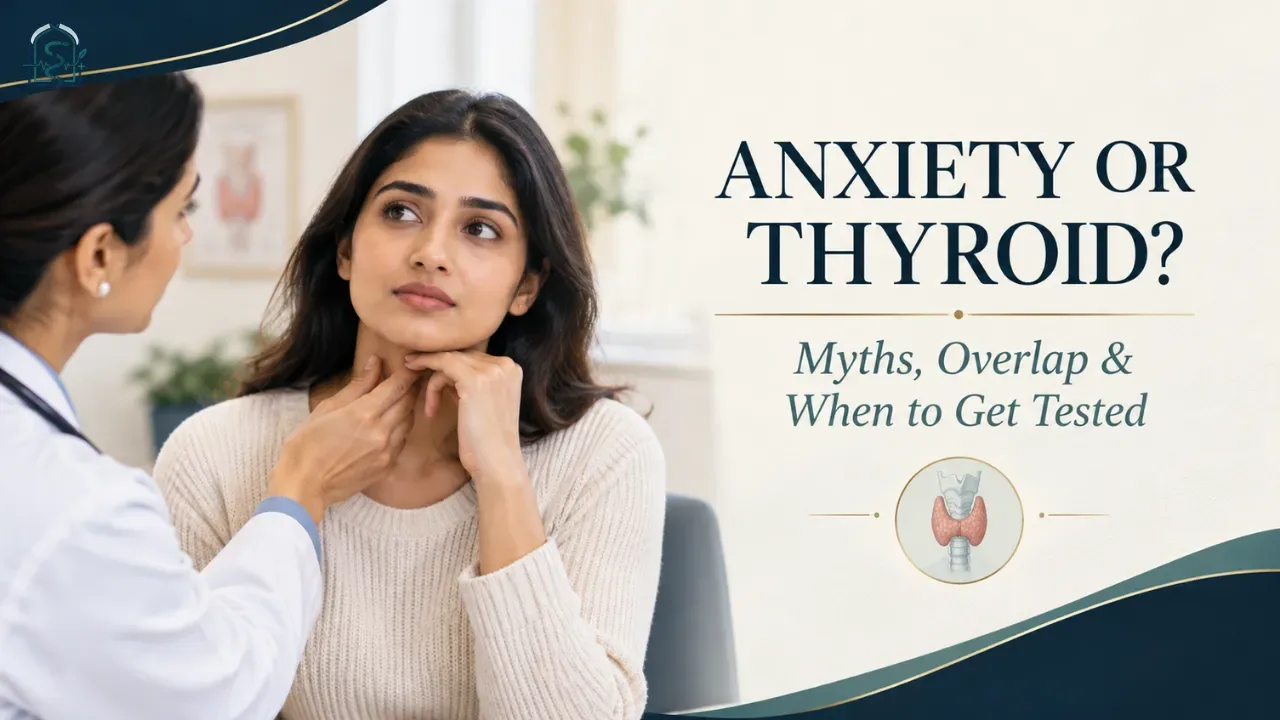
You may also find these guides helpful: Normal Thyroid Test but Still Feeling Unwell? What Now, Is Your Anxiety Actually Your Thyroid? When to Test.
Final Thoughts
You do not always need a specialist for a thyroid condition. The right doctor depends on your diagnosis and treatment response.
Diabetes and metabolism in Muscat: when to see an internist
Dr. James sees adults with thyroid disorders at Badr Al Samaa Royal Hospital, Al Ghubrah, by appointment.

Key takeaways
- Many thyroid conditions are managed in primary care.
- Endocrinologists handle complex or unusual cases.
- Referral is common for hyperthyroidism and nodules.
- Both doctors can work together.
- Never change thyroid medicine without advice.
Common questions
Can a general physician treat hypothyroidism?
Yes. Most cases of uncomplicated hypothyroidism are diagnosed, treated and monitored effectively by primary care or internal medicine doctors. An endocrinologist usually steps in when results are unusual, treatment is not working, or nodules or pregnancy are involved.
When should I see an endocrinologist for thyroid?
Consider an endocrinologist for hyperthyroidism needing specialist treatment, thyroid nodules, levels that are hard to control, unusual test results, thyroid eye disease or complex pregnancy-related thyroid issues.
Is an endocrinologist better than an internist for thyroid?
Neither is automatically better. Internists manage most common thyroid conditions well, while endocrinologists add expertise for complex cases. Many patients see both.
Do thyroid nodules need a specialist?
Many nodules are harmless, but evaluation with ultrasound and sometimes a biopsy may be needed. Your doctor will decide whether specialist assessment is appropriate.
Can my doctor adjust my thyroid dose?
Yes. Primary care doctors commonly adjust thyroid medication based on symptoms and blood tests. Do not change the dose on your own.
Sources
- NHS: Underactive thyroid (hypothyroidism) · nhs.uk
- NHS: Overactive thyroid (hyperthyroidism) · nhs.uk
This guide is for general information and does not replace a consultation. Editorial and medical review policy