Ashwagandha and Thyroid Medication: Is It Safe?
Ashwagandha may raise thyroid hormone levels and interact with thyroid medicine. Learn the evidence, possible risks and why to speak with your doctor before taking it.
 Written and reviewed by Dr. James Kumar Pallivathukkal, Specialist in Internal Medicine and DiabetesPublished 6 Oct 2026 · Reviewed by Dr. James Kumar Pallivathukkal on 6 October 2026 · 2 min readWhatsApp

Small studies suggest ashwagandha may increase thyroid hormone levels, and there are rare reports of excess thyroid hormone (thyrotoxicosis) linked to its use. It may interact with thyroid medicines such as levothyroxine. People with thyroid conditions should talk to their doctor before taking it and should never change or stop prescribed thyroid medicine on their own.
In this guide
Ashwagandha is an herbal supplement from Ayurvedic tradition, often marketed for stress, sleep and energy. It is widely available in Oman and online. If you have a thyroid condition or take thyroid medication, it is important to know that ashwagandha may affect thyroid hormone levels.
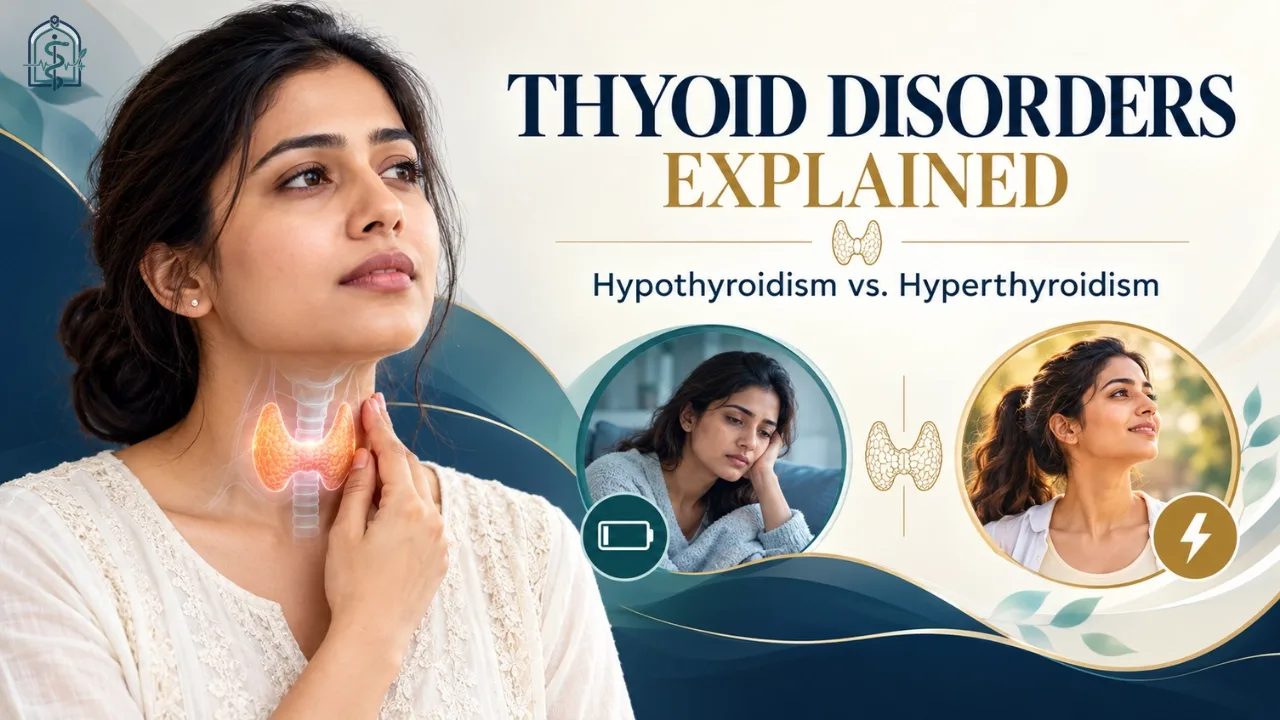
For the wider picture, see our guide on Thyroid Disorders Explained: Hypothyroidism vs. Hyperthyroidism.
How Might Ashwagandha Affect the Thyroid?
Some research has found that ashwagandha can raise thyroid hormone levels in certain people. The studies are small, use different products and doses, and are not enough to recommend ashwagandha as a thyroid treatment. Because even small changes in thyroid hormone matter for people on replacement therapy, caution is sensible.
What If You Take Levothyroxine?
Levothyroxine is the standard treatment for hypothyroidism. Adding a supplement that may raise thyroid hormone could make it harder to keep levels in the right range. Your doctor may need to check thyroid tests more often if you choose to take ashwagandha.
What About Hyperthyroidism?
People with an overactive thyroid, such as Graves' disease, should be particularly cautious, because a supplement that may increase thyroid hormone could worsen symptoms.
What Are Possible Warning Signs?
Seek medical advice if you develop palpitations, a fast or irregular heartbeat, unexplained weight loss, tremor, excessive sweating, heat intolerance, anxiety or sleeplessness while taking ashwagandha. These symptoms have many causes, but should be checked.
Are There Other Safety Concerns?
Rare cases of liver injury have been reported with ashwagandha. It may also interact with sedatives, immune-suppressing medicines and diabetes or blood pressure medicines. It is generally not recommended in pregnancy. Supplement quality and content can vary between brands.
What Should You Do Before Taking It?
-
Tell your doctor about all supplements and medicines
-
Ask whether ashwagandha is suitable for your condition
-
If you start, consider repeating thyroid tests as advised
-
Do not use it as a replacement for prescribed treatment
-
Stop and seek advice if new symptoms develop
You may also find these guides helpful: Normal Thyroid Test but Still Feeling Unwell? What Now, Is Your Anxiety Actually Your Thyroid? When to Test.
Final Thoughts
Ashwagandha may suit some people, but it is not automatically safe for those with thyroid conditions. A quick conversation with your doctor can prevent avoidable problems.
Diabetes and metabolism in Muscat: when to see an internist
Dr. James sees adults with thyroid disorders at Badr Al Samaa Royal Hospital, Al Ghubrah, by appointment.

Key takeaways
- Ashwagandha may raise thyroid hormone levels.
- It may interact with thyroid medication.
- Rare cases of excess thyroid hormone have been reported.
- Natural does not always mean safe.
- Speak to your doctor before starting it.
Common questions
Can I take ashwagandha if I have hypothyroidism?
Ashwagandha may affect thyroid hormone levels, so discuss it with your doctor first, especially if you take levothyroxine. Your doctor may advise against it or recommend extra thyroid tests.
Does ashwagandha increase thyroid hormone?
Some small studies suggest it may raise thyroid hormone levels, and rare cases of thyrotoxicosis have been reported. The evidence is limited and does not support using it to treat thyroid disease.
Can ashwagandha replace thyroid medication?
No. Ashwagandha should not replace prescribed thyroid medicine. Stopping or changing thyroid medication without medical advice can cause serious problems. Thyroid doses are set by blood tests, and a supplement that pushes hormone levels up can quietly throw that balance off.
Is ashwagandha safe with hyperthyroidism?
People with hyperthyroidism should be especially cautious because it may increase thyroid hormone further. Speak with your doctor before taking it.
What side effects should I watch for?
Watch for palpitations, tremor, weight loss, sweating, anxiety, sleeplessness, yellowing of skin or eyes and abdominal pain. Seek medical advice if these occur.
Sources
- NCCIH: Ashwagandha · nccih.nih.gov
- NHS: Underactive thyroid (hypothyroidism) · nhs.uk
This guide is for general information and does not replace a consultation. Editorial and medical review policy