GLP-1 Medicines: Why They Are Becoming More Accessible
GLP-1 medicines for diabetes and weight loss are becoming easier to access. Learn what changed, what still affects cost and how to avoid unsafe or unregulated products.
 Written and reviewed by Dr. James Kumar Pallivathukkal, Specialist in Internal Medicine and DiabetesPublished 13 Oct 2026 · Reviewed by Dr. James Kumar Pallivathukkal on 13 October 2026 · 2 min readWhatsApp
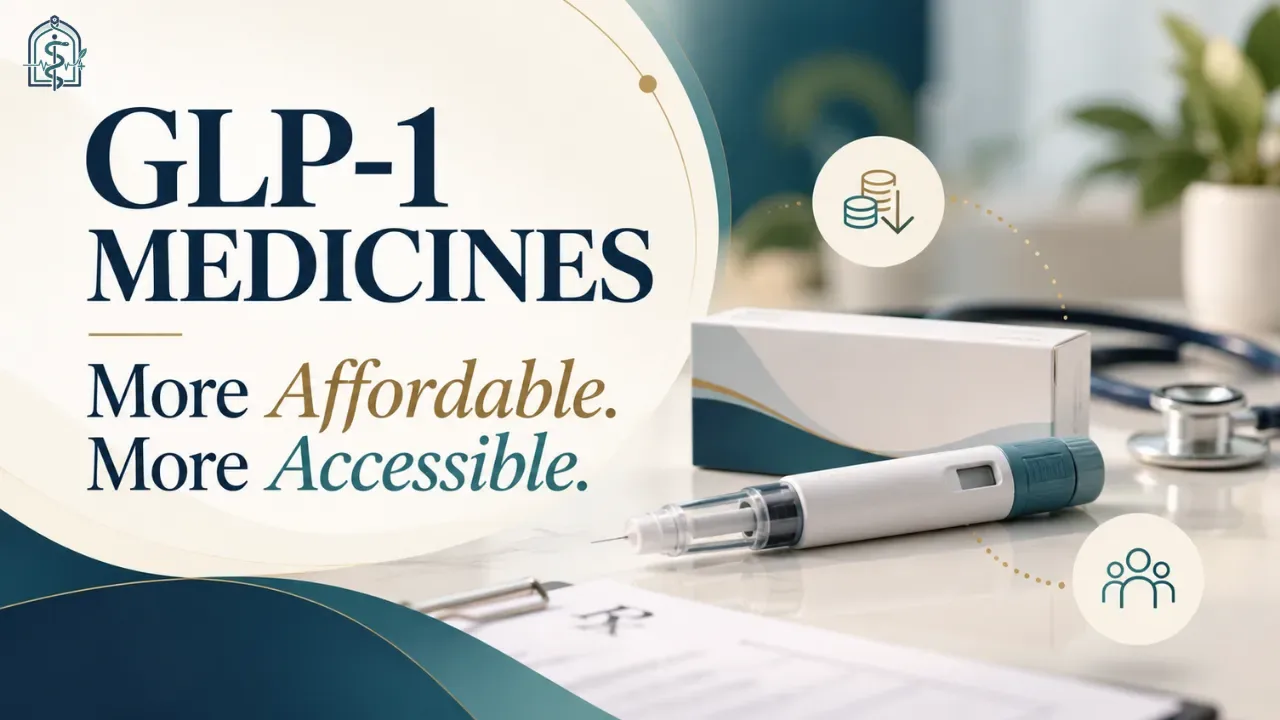
GLP-1 medicines are becoming more accessible as supply has improved, more brands and formulations have reached markets, new oral versions are emerging and patents on some older molecules are expiring, allowing generic or biosimilar competition in some countries. Prices and availability still vary by country, brand, dose and insurance coverage. They should only be used with a prescription and medical supervision.
In this guide
GLP-1 medicines are a group of treatments that mimic a natural gut hormone called glucagon-like peptide-1. They help lower blood sugar, slow stomach emptying and reduce appetite. Medicines such as semaglutide, and the dual GIP/GLP-1 medicine tirzepatide, are used for type 2 diabetes and, in some formulations, for weight management. For years they were difficult to obtain and expensive. That is gradually changing.
For the wider picture, see our guide on GLP-1 for Diabetes & Weight Loss: Results, Cost & Side Effects.
Why Were GLP-1 Medicines Hard to Get?
Demand rose sharply when these medicines showed significant weight-loss effects. Manufacturers struggled to keep up, causing shortages. Prices were high, and insurance coverage, especially for weight loss, was limited in many regions.
What Has Changed?
Improved supply
Manufacturers have expanded production capacity, easing shortages in many markets.
More options
Additional brands, doses and delivery formats have become available, including weekly injections and oral tablets.
Generic and biosimilar competition
As patents on some earlier GLP-1 molecules expire in different countries, lower-cost versions are becoming available, increasing competition.
Wider awareness
More doctors are familiar with prescribing and monitoring these medicines.
What Still Affects Cost?
-
The specific medicine, brand and dose
-
Whether it is prescribed for diabetes or weight management
-
Insurance coverage and employer plans
-
Country-specific regulation and pricing
-
Treatment duration, since many people need long-term use
Ask your doctor and pharmacist about options available locally.
How Can You Stay Safe?
Popularity has led to counterfeit and unregulated products sold online or through informal channels. These may contain the wrong dose, wrong ingredient or contaminants.
-
Use only medicines prescribed by a licensed doctor
-
Buy from licensed pharmacies
-
Be wary of very low prices, social media sellers or products without proper labelling
-
Do not share pens or doses with others
Who May Be Suitable?
Doctors consider GLP-1 medicines for adults with type 2 diabetes and, depending on local approvals, for adults with obesity or overweight with related health conditions. They are not suitable for everyone, including people with certain thyroid cancer histories, a history of pancreatitis in some cases, or during pregnancy.
You may also find these guides helpful: How Much Weight Can You Lose on GLP-1 Medicines?, GLP-1 Side Effects and How to Manage Them, Is a GLP-1 Medicine Worth the Cost?.
Final Thoughts
Greater access to GLP-1 medicines is good news for many patients, but safe use still depends on proper assessment and follow-up.
Diabetes and metabolism in Muscat: when to see an internist
Dr. James sees adults with diabetes and prediabetes at Badr Al Samaa Royal Hospital, Al Ghubrah, by appointment.

Key takeaways
- GLP-1 medicines are becoming more accessible.
- Supply, competition and new formats are driving change.
- Cost still varies by brand, dose and coverage.
- Avoid unregulated or counterfeit products.
- Use only with a prescription and medical supervision.
Common questions
Why are GLP-1 medicines becoming more affordable?
Improved manufacturing supply, more brands and formulations and generic or biosimilar competition as some patents expire are helping. Prices still vary by country, medicine and insurance coverage.
Are cheaper GLP-1 products safe?
Licensed generics or biosimilars approved by regulators can be safe. Unregulated products from informal sellers may be counterfeit or contaminated. Always use prescribed medicines from licensed pharmacies.
Do I need a prescription for GLP-1 medicines?
Yes. GLP-1 medicines should only be used with a prescription and medical monitoring, because dosing, side effects and suitability need professional assessment.
Are GLP-1 tablets available?
Oral GLP-1 options exist and newer oral medicines are being developed and approved in different regions. Availability varies, so ask your doctor about local options.
Will I need GLP-1 treatment long term?
Many people need long-term treatment to maintain benefits, because weight and blood sugar can rise again after stopping. Your doctor will discuss duration and monitoring.
Sources
- NIDDK: Prescription medications to treat overweight and obesity · niddk.nih.gov
- NHS: Semaglutide · nhs.uk
This guide is for general information and does not replace a consultation. Editorial and medical review policy